How to Train Your Team to Design and Deliver VR Courses
Table of Contents:
Virtual reality (VR) is revolutionizing workplace training by enabling immersive and interactive experiences that surpass traditional methods in effectiveness. As the technology rapidly gains traction, organizations must develop the internal capability to design and deliver these VR courses effectively. The “Train the Trainer” approach offers a robust framework for upskilling internal teams, making VR training scalable, sustainable, and closely aligned with business goals.
Key Points:
- Empowering Internal Expertise: The “Train the Trainer” model shifts the focus from external vendors to internal employees, equipping them with the skills to design, manage, and deliver custom VR learning experiences.
- Strategic Business Advantages: Building internal capability leads to faster rollout of training modules, deeper customization to match company protocols, consistent delivery, and significant long-term cost savings.
- Lowering Technical Barriers: Utilizing user-friendly platforms (like Mazer Trainer) allows instructional designers and subject-matter experts to collaboratively build and iterate VR courses without needing advanced coding skills.
- Data-Driven Evaluation: Internal trainers can leverage built-in platform analytics and clear KPIs to monitor learner engagement and performance, providing the concrete data needed to secure ongoing executive buy-in.
- Fostering a Culture of Innovation: Sustainable VR adoption relies on prioritizing user safety (e.g., preventing motion sickness) while cultivating a workplace culture that embraces continuous learning, experimentation, and digital transformation.
The Train the Trainer Model for VR
The Train the Trainer model focuses on equipping key employees with the skills to manage VR learning solutions from concept to delivery. Rather than relying solely on external vendors, internal trainers are empowered to create engaging VR experiences tailored to their organization’s unique needs.
By adopting this model, companies ensure consistency and quality across training programs while enabling agility in updating and expanding content. This approach mirrors proven strategies for scaling VR training programs, thereby extending the benefits of immersive learning to diverse teams and locations.
Core Competencies for Internal VR Trainers
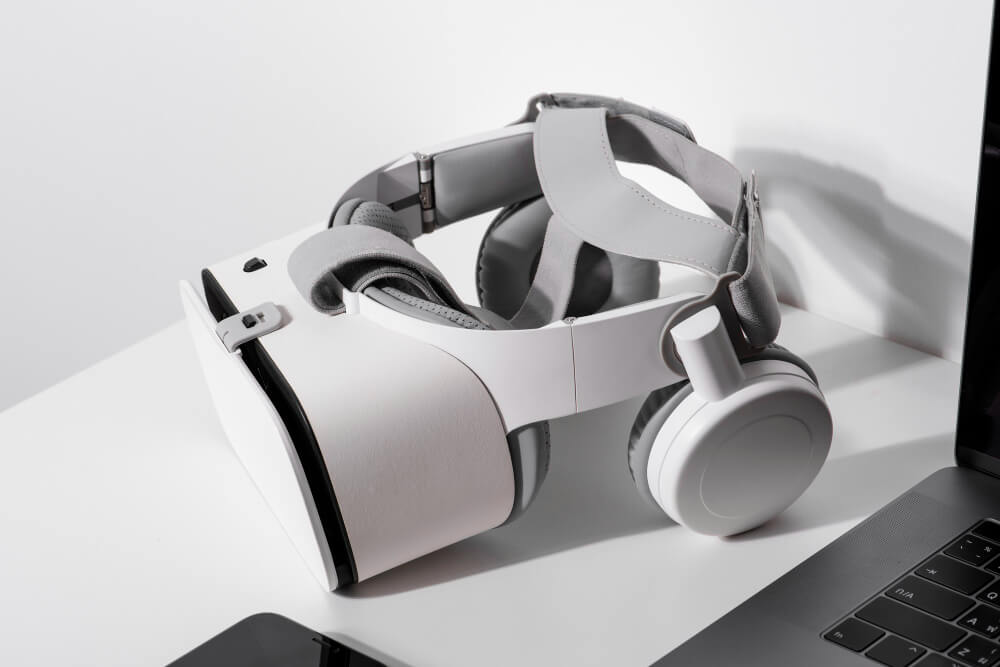
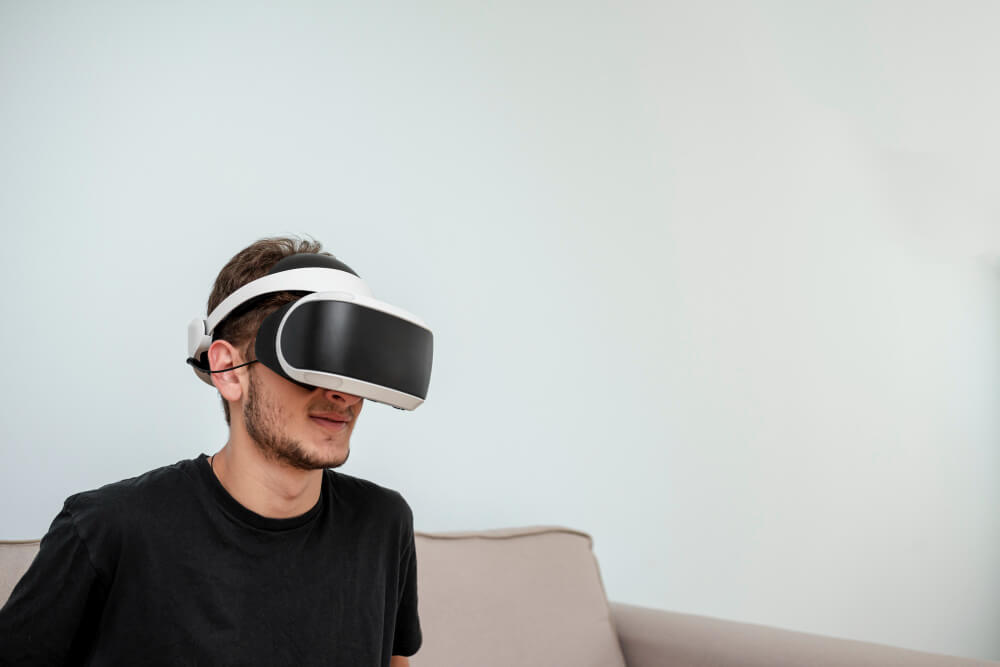
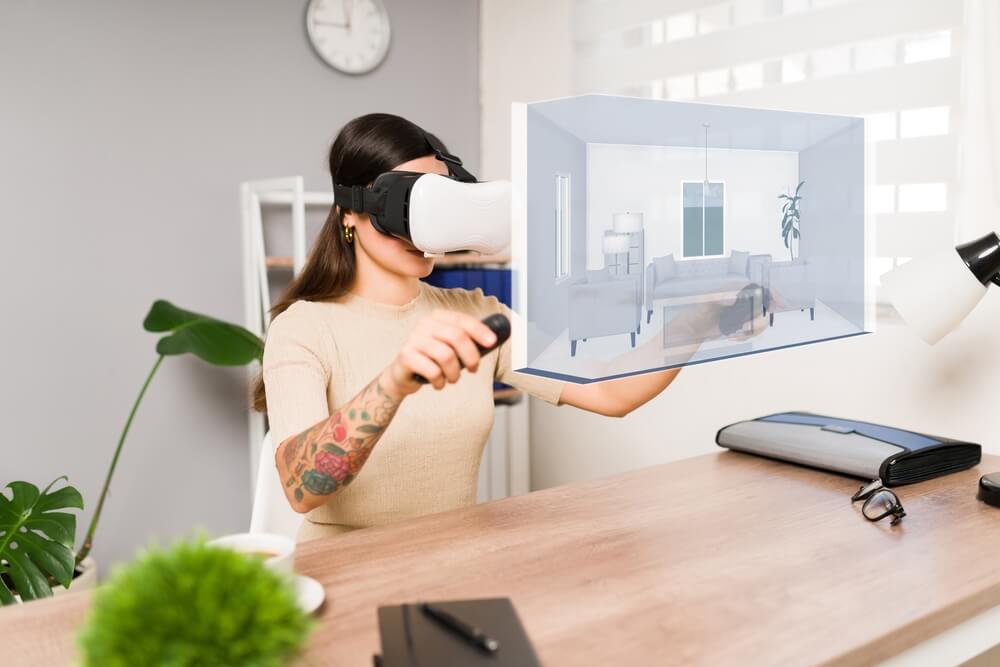
Successful VR trainers combine instructional design tailored to immersive environments with technical proficiency in VR hardware and platforms, as well as engaging facilitation skills. Leveraging platforms such as the Mazer Trainer, which supports the creation of custom VR courses, allows trainers to build, test, and iterate courses with user-friendly interfaces and analytics.
These tools significantly reduce the technical barriers, enabling instructional designers and subject-matter experts to develop meaningful and immersive learning experiences collaboratively. The ability to tailor content serves client and learner expectations more precisely, a critical factor in the growing adoption of VR training programs.
Benefits of Developing Internal VR Expertise
Building internal VR training expertise delivers strategic advantages that span operational efficiency and quality outcomes:
- Faster content deployment: Internal teams can quickly respond to evolving learning needs by designing and rolling out new VR modules.
- Enhanced customization: Organizations can embed specific processes, compliance protocols, and cultural elements into the training.
- Improved scale and consistency: Trained facilitators ensure uniform delivery and adaptability for different teams, improving overall training effectiveness.
- Cost reductions: Internal development lowers the dependency on costly external VR vendors and reduces long-term content refresh expenses.
These benefits align closely with why your company should invest in VR for training, underscoring VR’s value proposition not just as technology but as a transformative learning strategy.
Common Challenges
While empowering your team is highly rewarding, it often encounters challenges, such as technical complexities, reluctance to adopt new methods, or content development hurdles. Address these proactively by providing comprehensive onboarding and support materials modeled on proven VR training implementation best practices.
Workshops, ongoing coaching, and access to community knowledge, such as VR training creator rankings, help maintain momentum during adoption phases. Recognizing common issues, such as content fatigue and hardware usability, and crafting solutions fosters confidence in both trainers and learners. Insightful resources on 5 common problems with VR training and solutions can be instrumental in building resilience.
Measuring Success
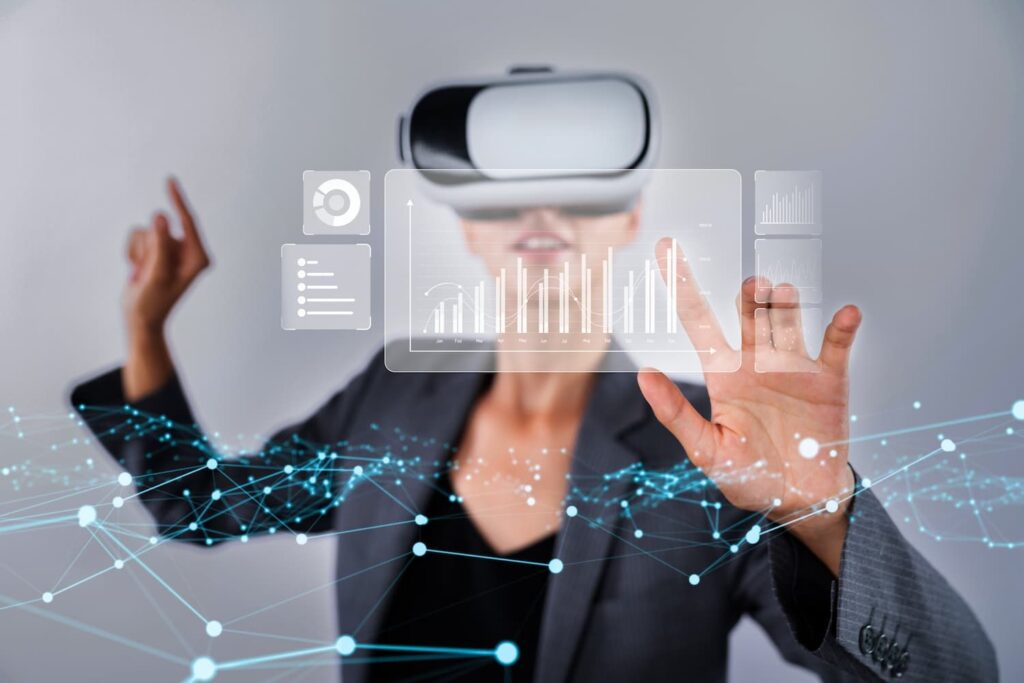
Practical Train-the-Trainer programs incorporate an evaluation mindset. Through setting clear KPIs and leveraging platform analytics, trainers can monitor learner engagement, performance, and business impact. Guides on measuring the impact of your virtual training programs provide best practices for capturing meaningful data and iterating course designs.
Such evidence-based approaches ensure gaining executive buy-in for VR training and continuous resource allocation, which underpin the sustainability of your VR training initiatives.
Ensuring Safe and Effective Learning
Safety considerations should be integral to the design of VR training. Immersive simulations enable the risk-free practice of high-pressure or hazardous tasks, which is crucial for sectors such as healthcare, manufacturing, and emergency response. Trainers should incorporate guidelines, such as safety tips for VR training, to minimize motion sickness and ensure ergonomic use.
Leveraging VR fire safety training examples or virtual reality leadership skills development illustrates how safety and engagement can coexist, adding value and trust to your training portfolio.
Industry Trends
The continued growth of VR in corporate learning aligns with broader trends towards digital transformation and immersive technologies. Platforms enabling advanced XR training systems offer cutting-edge tools that internal teams can leverage for diverse learning applications. Understanding these evolving trends helps Train-the-Trainer programs stay relevant and innovative.
Exploring use cases where virtual reality empathy or soft skills training benefits learners, enriches internal trainers’ perspectives, equipping them to create more impactful content.
Building a Culture of VR Learning
Sustainability in VR training depends on fostering a culture of continuous learning and innovation within your teams. Encourage experimentation with new VR applications and share successes and challenges openly. Supporting trainers with resources, community engagement, and leadership endorsement fuels ongoing motivation.
Training companies and organizations can further enhance their impact by expanding their training portfolios to include immersive VR, encompassing a variety of content types and delivery formats, which helps keep training fresh and learner-centric.
Conclusion
The Train the Trainer model is the pillar of successful VR adoption in learning organizations. Equipping your internal teams with design, technical, and facilitation skills enables companies to deliver high-quality VR training sustainably, driving real business results.
By integrating user-friendly course creation platforms, focusing on safety and engagement, and rigorously measuring outcomes, your organization can build a skilled cadre of VR trainers ready to propel immersive learning forward.
Investing thoughtfully in these capabilities enables continuous evolution, innovation, and ultimately, a future-proof workforce.
What is the “Train the Trainer” model in the context of VR?
The Train the Trainer model focuses on equipping key internal employees with the necessary skills to manage, design, and deliver custom VR learning solutions from concept to delivery, significantly reducing reliance on external vendors.
What are the main benefits of developing internal VR training expertise?
Building internal VR expertise offers strategic advantages including faster content deployment, enhanced customization to fit specific company protocols, improved scale and consistency across teams, and notable long-term cost reductions.
What core competencies do successful internal VR trainers need?
Successful VR trainers must combine instructional design skills tailored for immersive environments with technical proficiency in VR hardware and platforms, alongside highly engaging facilitation skills.
How can organizations overcome common challenges in adopting VR training?
Organizations can proactively address technical complexities and adoption reluctance by providing comprehensive onboarding, ongoing coaching, workshops, and leveraging user-friendly creation platforms that reduce technical barriers.
How do you measure the success of an internal VR training program?
Success is measured by setting clear KPIs and using platform analytics to monitor learner engagement, course performance, and overall business impact. This evidence-based approach is crucial for gaining and keeping executive buy-in.

Author: Rafał Siejca
Rafal has over twenty years of corporate experience, including roles at Millennium Bank, Comarch, and leading software teams at PZU, one of Europe’s largest insurance companies. As one of Poland’s few true VR experts with a decade of experience, he ensures timely, high-quality project delivery as CEO and CTO.