VR as a Change Management Tool: Preparing Teams for Digital Transformation
See how to use VR for digital transformation. Reduce employee resistance, practice workflows in digital twins, and ensure a smooth rollout. Request a demo!


See how to use VR for digital transformation. Reduce employee resistance, practice workflows in digital twins, and ensure a smooth rollout. Request a demo!
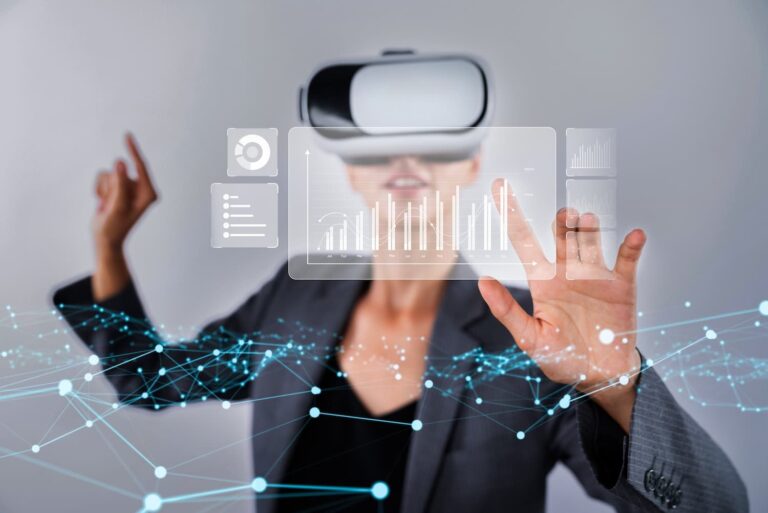
See how CMOs use VR to sharpen sales and GTM performance. Practice pitches with AI avatars, demo 3D products, and track real readiness data. Request a demo!
True immersion requires design that accounts for all physical and sensory differences. Explore key accessibility features that make XR inclusive for every learner.
VR avatars have become the benchmark for immersive training. Lifelike AI characters push learners to practice unpredictable human interactions in a safe space.

VR interview prep is now the standard for career excellence. Use Mazer to track performance data, fix nervous habits, and build confidence before the big day!
Deploying an immersive educational platform can drastically improve knowledge retention, reduce logistical costs, and accelerate the “time-to-competency” for your workforce.
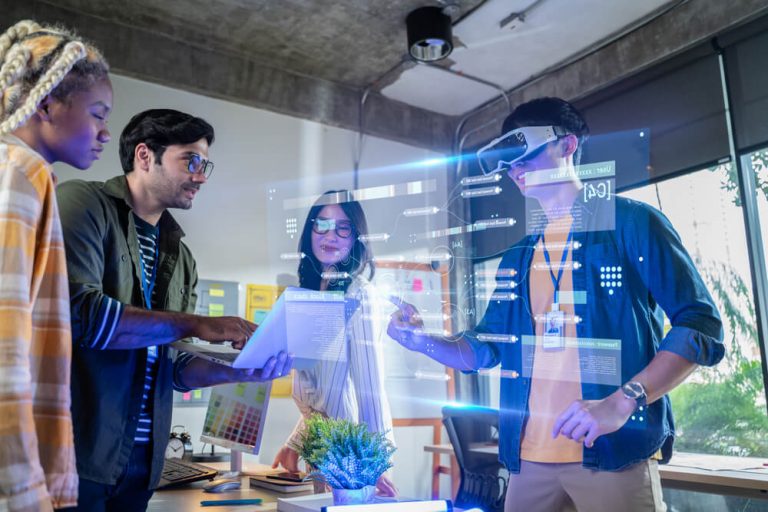
By leveraging corporate VR training solutions, you don’t have to break down your educational programs between different regional locations.
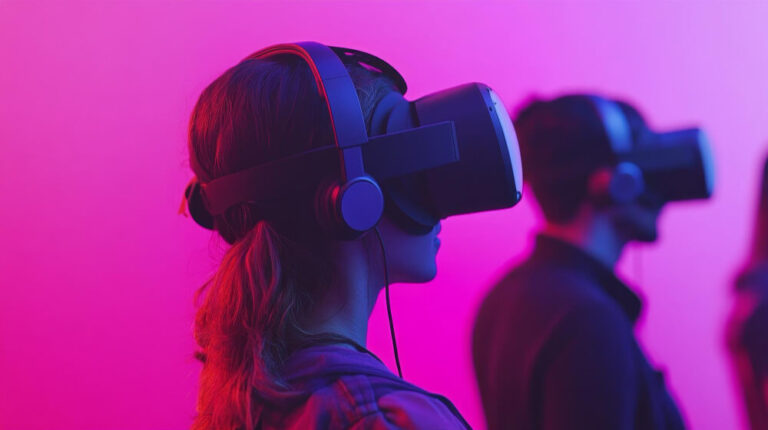
For enterprise leaders, choosing between passive and active learning directly impacts the bottom line.

In 2026, the evolution of e-learning has shifted toward spatial computing, creating an education ecosystem that responds to learners in real time.
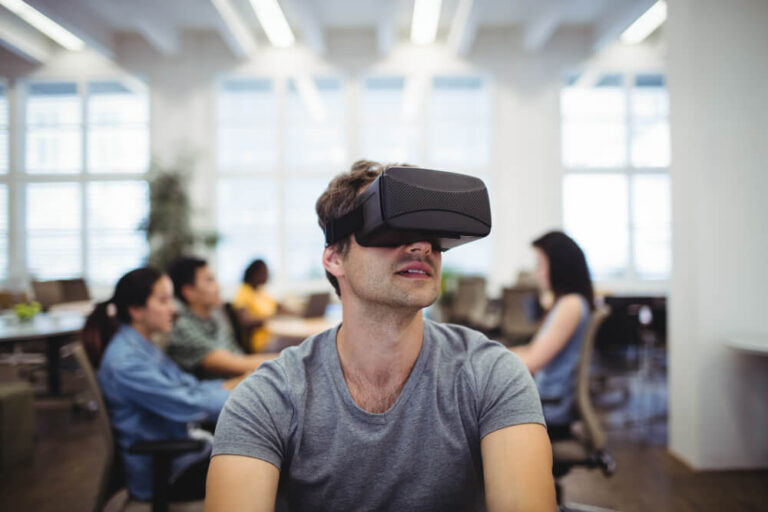
A review of the educational landscape from 2020 to 2025 shows that VR has become a staple tool for laboratories, technical training, and scientific research.
End of content
End of content