
VR as a Tool for Measuring Competencies
Table of Contents:
Key Points
- HR departments are transitioning from subjective performance reviews to objective assessments using Virtual Reality (VR) technology.
- VR assessments capture detailed interaction telemetry, allowing for precise measurement of skills and competencies that traditional methods cannot provide.
- The data collected through VR not only evaluates current abilities but also predicts future success, enhancing talent management and reducing hiring errors.
In the 2026 labor market, HR departments are moving away from the “gut feeling” era of performance reviews. The primary challenge in talent management has always been the gap between declarative knowledge (what an employee says they know) and procedural competence (what they can actually do under pressure). Traditional methods, such as multiple-choice tests or interviews, only measure the latter.
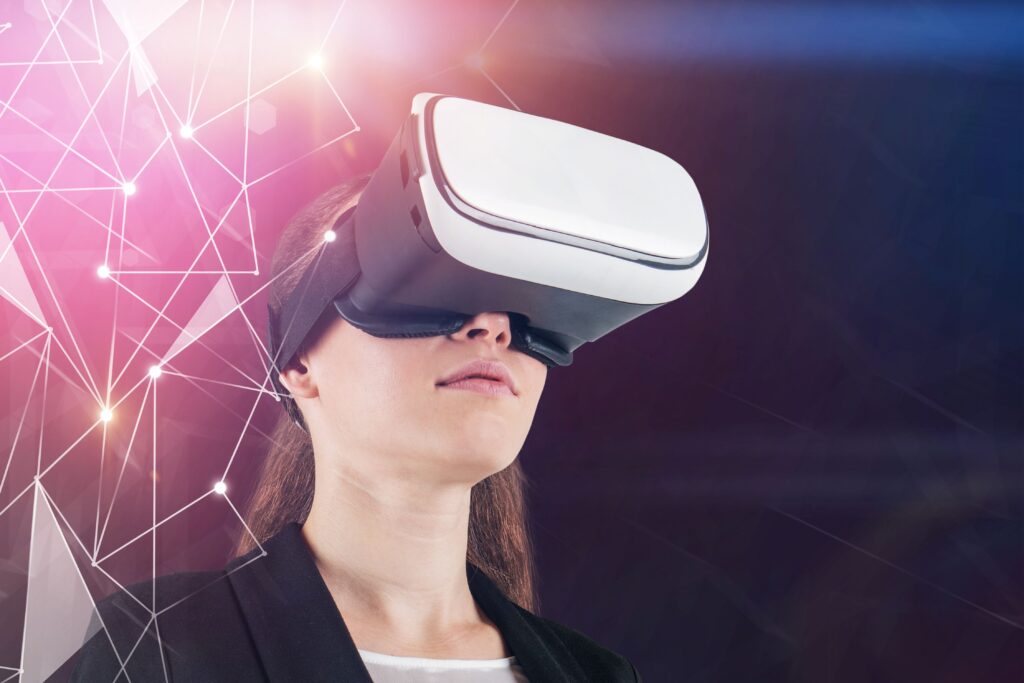
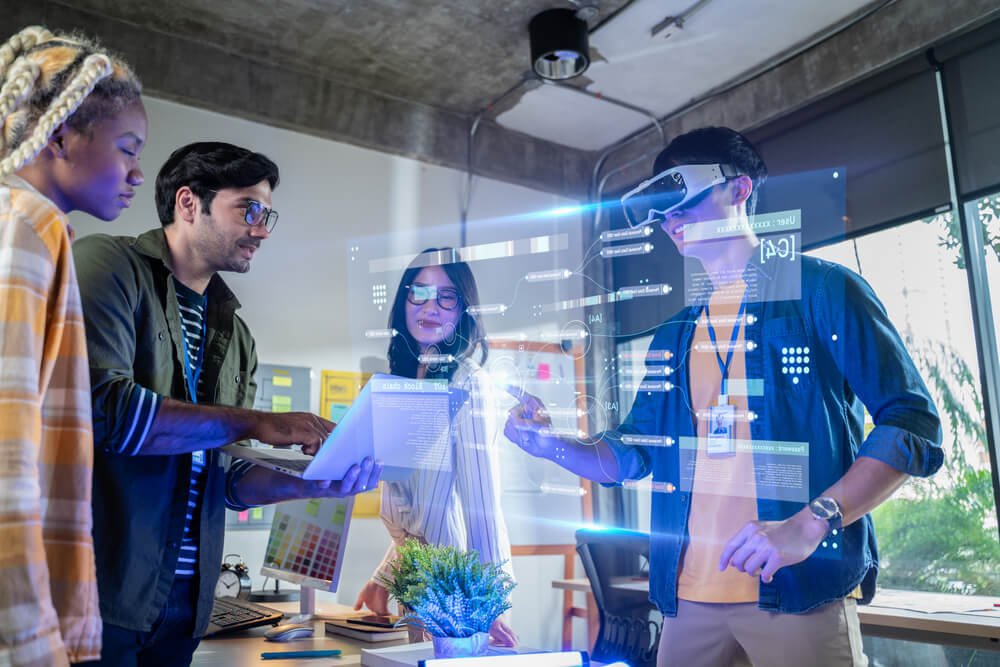
Virtual Reality, however, is now a high-precision diagnostic laboratory, providing objective data previously unimaginable in corporate HR. It allows organizations to move beyond resumes and focus on verified, observable performance.
Telemetry: The Truth Found in Data
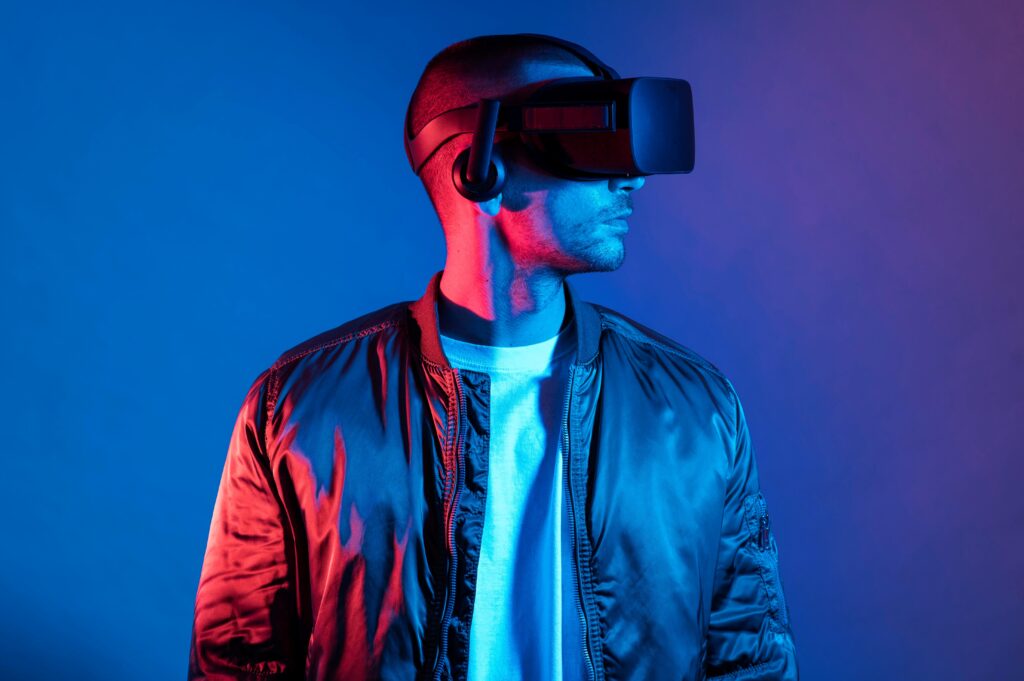
The most revolutionary aspect of VR assessment is the ability to capture interaction telemetry. Unlike a written exam that can be “gamed” by a good test-taker, a VR simulation tracks subconscious movements and split-second decisions that are impossible to fake. When a participant is inside a VR environment, every head turn, hand tremor, and interaction becomes a quantifiable data point.
Understanding VR tracking and how it works is essential for modern HR leads. Advanced platforms now monitor metrics such as:
- Gaze Tracking & Attention Mapping: In a safety-critical environment, did the technician visually inspect the lockout/tagout points before engaging the machinery? VR can prove whether they actually looked at the danger zone or simply bypassed it.
- Time-on-Task & Efficiency: How long did it take for a sales associate to identify a customer’s hidden pain point in a VR in sales training scenario? VR tracks the efficiency of the path to the solution.
- Precision & Spatial Accuracy: For technical roles, such as VR in manufacturing, the system can measure physical accuracy to within a millimeter, identifying exactly where a trainee’s technique fails.
Standardizing Soft Skills and Reducing Bias
Historically, assessing “soft skills” such as leadership, empathy, and crisis management has been highly subjective. A manager might rate an employee based on personality rather than performance. VR standardizes this process by using AI-driven avatars. By placing every candidate in the same difficult conversation, standardized for tone, body language, and verbal cues, organizations can use VR for real-time feedback and truly objective evaluation.
In the context of virtual reality leadership skills development, a leader’s ability to remain calm under pressure is measured not by their own self-report but by their physiological and verbal reactions to an AI avatar’s escalating frustration. This provides a “level playing field” that removes human bias, focusing entirely on the competence demonstrated within the headset. This objective data is crucial for diversity and inclusion training in virtual reality, as it ensures that promotions are based on merit rather than personal preference.
Predictive Analytics and the Business Case
The data collected in VR doesn’t just evaluate current skills; it predicts future success. By analyzing decision-making patterns within a Mazer Trainer scenario, L&D departments can identify “high-potential” employees months before they are promoted. This is essential for the role of VR training in upskilling and reskilling, allowing companies to target their budgets toward individuals with the highest aptitude for new roles.
When organizations commit to measuring the impact of their virtual training programs, they find that the precision of VR data results in a massive reduction in hiring errors. By accurately calculating VR training ROI, companies can prove that better measurement leads directly to better business outcomes. In 2026, competence is no longer a matter of opinion; it is a matter of verifiable, immersive data.
What is the primary challenge in talent management mentioned in the article?
How does Virtual Reality improve the assessment of soft skills?
What metrics can VR platforms monitor during assessments?
How does VR data contribute to predicting future employee success?

Author: Rafał Siejca
Rafal has over twenty years of corporate experience, including roles at Millennium Bank, Comarch, and leading software teams at PZU, one of Europe’s largest insurance companies. As one of Poland’s few true VR experts with a decade of experience, he ensures timely, high-quality project delivery as CEO and CTO.