
Diversity Inclusion Training in Virtual Reality
Table of Contents:
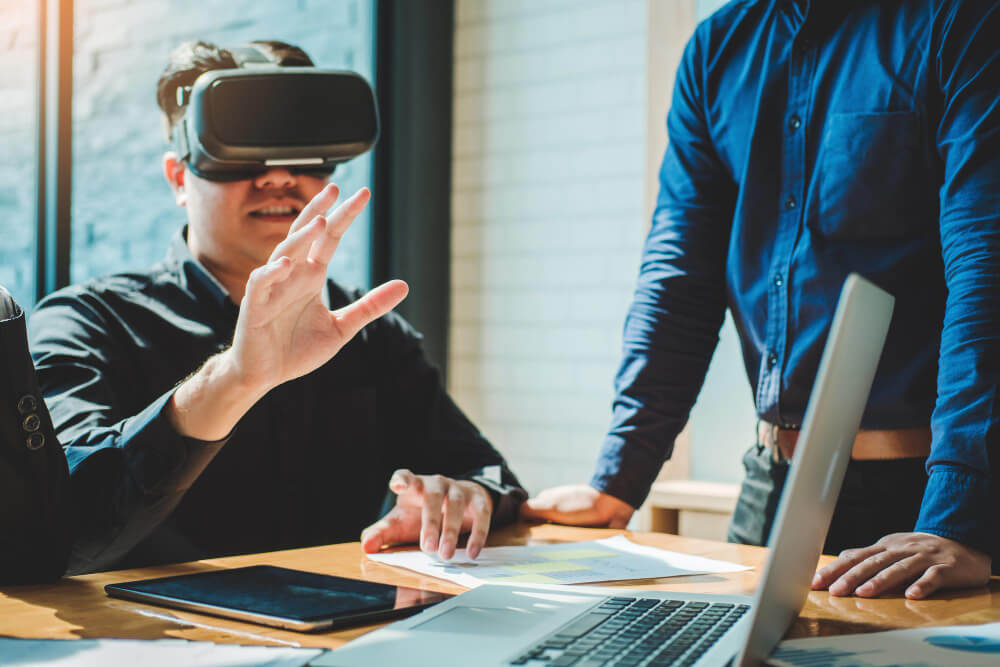
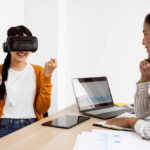
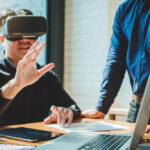
Virtual reality technology can serve as an amazing asset for numerous applications and tasks. For goal-oriented businesses, they can greatly improve the effectiveness of all training programs, including virtual reality diversity training. Multi-national organizations that choose to implement inclusive VR training stand to benefit from fostering a culture of leadership based on mutual respect, understanding, and equal treatment. Join us in today’s article as we explain the details of diversity and inclusion in VR and how it can affect real change in your organization’s structure.
Key Points:
- Unmatched Perspective-Taking: VR allows employees to virtually “walk a mile in someone else’s shoes.” Through immersive 360° simulations, staff can experience workplace interactions from the perspective of marginalized groups, sensitizing them to bias and harmful behavior patterns in ways traditional lectures cannot.
- Safe Space for Reflection: The detachment from the real world allows employees to explore difficult scenarios without the fear of immediate legal or professional consequences. By role-playing both the observer and the person experiencing discrimination, users are prompted to reflect deeply on their choices and reactions.
- Global Scalability and Consistency: For multinational organizations, VR offers a consistent and scalable solution. Once a diversity module is perfected, it can be rolled out across global offices, ensuring that the company’s core values of inclusion are delivered uniformly regardless of location.
- Cultural Customizability: Diversity is not a one-size-fits-all concept; its focus shifts based on local culture. VR platforms offer the flexibility to create targeted modules that address specific regional issues, whether they relate to gender inequality, racial sensitivity, or religious inclusion.
- Building Empathetic Leadership: By replacing mundane, “check-the-box” diversity training with emotionally engaging experiences, VR helps foster a genuine culture of mutual respect. This leads to stronger, more cohesive teams and a more empathetic leadership structure.
Why VR Training Has the Potential to Transform Businesses
First, let’s begin by discussing why virtual reality even has a role in the modern business landscape, especially in training, learning, and development of the workforce.
Generally speaking, people learn significantly better by doing than they do by reading technical documentation or listening to presentations—that’s a simple matter of fact related to our human nature. Traditional training methods have always left something to be desired; a hole which has now been plugged nicely by the benefits of using VR for training.
Relying on virtual reality for training opens up new, more effective avenues for organizational growth other than forcing employees to gain new skills and qualifications via mundane ways. Some of these benefits are particularly important for global organizations for a multitude of reasons:
- Scalability: Once deemed successful, a VR training module can be implemented without issue in as many locations as needed, ensuring consistency across the organization.
- Global Rollout: Virtual reality training can be easily adapted to different linguistic and cultural contexts, making it particularly valuable to organizations operating across the globe.
- Cost-effectiveness: While initial setup costs may be higher, VR training can significantly reduce long-term expenses associated with traditional training methods, such as travel and venue costs or trainer salaries.
Getting the Most out of Virtual Reality – Diversity Training in the Workplace
When it comes to fostering a more inclusive workplace, virtual reality and diversity training go hand in hand. The fidelity that comes with relying on this advanced technology simply can’t be matched by traditional training methods.
Through immersive 360° VR, employees can experience what it’s like to walk a mile in someone else’s shoes, deepening their perspectives and sensitizing them to potentially harmful language, behavior patterns, and bias that others get to live with on a daily basis.
On top of this kind of “shock therapy,” one of the key strengths of VR training solutions stems from the detachment from the real world. Employees can participate in many simulated interactions without fear of consequences or legal action being taken against them. In turn, it allows them to play out scenarios from many perspectives. One such example could involve playing the person exhibiting discriminatory behavior, and then the person being discriminated against. This prompts them to react and reflect upon their choices.
One other aspect that makes inclusive VR training shine is its customizability. The meaning of diversity shifts depending on the local cultural contexts, calling for an inherently flexible solution. By enabling the creation of specific, targeted modules, the organization can address issues of gender inequality, racial sensitivity, or religious persecution with more precision, based on what is needed.
The Takeaway
Virtual reality diversity training represents a powerful tool aimed to foster inclusive initiatives. By offering immersive, engaging experiences to employees, you can leverage the power of VR to develop genuine empathy and understanding among your workforce. It’s truly the best tool and most effective approach for building stronger and more cohesive teams.
Of course, this can only happen when choosing the right VR training center, like Mazer. Contact us today, and we’ll be glad to discuss how to build stronger interpersonal relationships in your company through the magic of our VR training solutions.
You may also read: The Role of VR Training in Upskilling & Reskilling
Why is VR more effective for diversity training than traditional methods?
Traditional methods often rely on passive listening or reading, which struggle to build empathy. VR uses 360° immersion to let employees experience workplace scenarios from the perspective of others, making the impact of bias and harmful behavior feel real and personal.
How does VR help employees understand unconscious bias?
By simulating interpersonal interactions in a safe, consequence-free environment, VR allows employees to observe their own reactions and choices. Stepping into different roles helps them recognize their own biases and understand how their behavior affects their colleagues.
Can VR diversity training be adapted for different global cultures?
Yes. One of the key strengths of VR training is its customizability. Organizations can create specific modules that address the unique diversity and inclusion challenges of different regions, such as specific religious, racial, or gender-related contexts.
What are the business-level benefits of inclusive VR training?
Beyond social impact, VR diversity training offers high scalability and cost-effectiveness for global rollouts. It ensures a consistent message across the entire organization and reduces the long-term costs associated with traditional, in-person sensitivity seminars.
Is VR diversity training suitable for all levels of an organization?
Absolutely. VR is highly effective for everyone from entry-level staff to executive leadership. It provides a common ground for developing mutual respect and understanding, which are the foundations of a cohesive and productive modern workforce.

Author: Rafał Siejca
Rafal has over twenty years of corporate experience, including roles at Millennium Bank, Comarch, and leading software teams at PZU, one of Europe’s largest insurance companies. As one of Poland’s few true VR experts with a decade of experience, he ensures timely, high-quality project delivery as CEO and CTO.