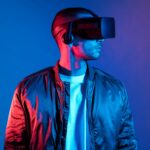

Conflict Resolution in Virtual Reality: Using VR to Build Better Relationships and Find Solutions
Table of Contents:
Key Points
- Immersive High-Pressure Simulations: VR allows professionals, such as medical staff, to practice de-escalating unannounced, high-stress conflicts in a safe environment. Tools like “Angry Stan” use real-time biofeedback (e.g., heart rate monitoring) to teach users how to remain calm under pressure.
- Cost-Effective and Scalable Education: Unlike traditional training that relies on expensive paid actors or uninspiring textbooks, VR offers a repeatable and engaging “on-demand” solution. This shift moves education away from mass lectures toward personalized, experiential learning.
- A Catalyst for Empathy and Perspective: Research shows that 360° immersive videos can fundamentally change moral judgment in violent intergroup conflicts. By experiencing a situation from an “outgroup” point of view, participants develop a stronger sense of mutual understanding and empathy.
- Revolutionizing Workplace Dynamics: Beyond skill-building, VR training improves organizational culture. By measurably enhancing communication and de-escalation strategies, these tools foster a healthier, less stressful working environment and better interpersonal relationships within teams.
Trainings that offer conflict resolution in a virtual reality environment are rapidly gaining popularity among both employers and employees alike. The benefits of conducting classes this way are undeniable. Numerous scenario development experiments can be performed in a completely safe environment by simulating realistic conflict situations. Such training offers participants an opportunity to develop communication skills and strategies for resolving conflict. Does VR make conflict resolution training more effective? This article examines what scientists and their research have to say about this subject.
Communication Skills Development and VR Training
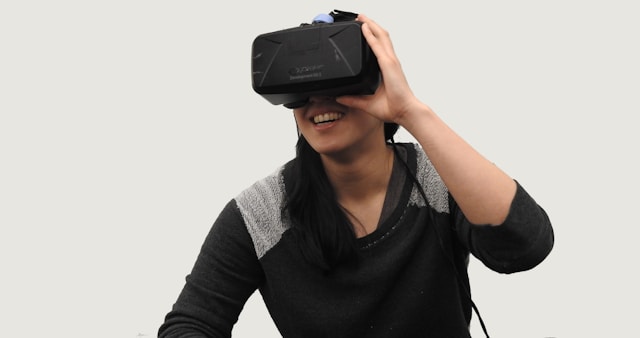
Angry Stan, an innovative conflict simulator, was used to train future nurses at Newcastle University, Australia. Training simulates the real environment of an emergency room. In this assignment, students must react to an unannounced conflict situation that introduces tension and stress to the team. The course participants interact with Angry Stan through a VR headset. A highly stressful, unpredictable situation requires them to remain calm and skillfully manage it.
Developed in cooperation between the Faculty of Nursing and Midwifery and the University’s IT Innovation Team, the course appeared in the study program. A VR training based on real-time biofeedback, such as the heart rate of a person, is the first of its kind. “The days of teaching en masse are behind us. Traditionally, conflict resolution has been taught ad-hoc with textbooks and paid actors, which can be pretty uninspiring or very expensive,” said Ms. Vendela Pento, Project Manager of the IT Innovation Team, about the training.
How Virtual Reality Training Can Help Resolve Conflicts
Numerous scientific studies have confirmed that VR training has many advantages over traditional training methods. A similar research project was conducted by Columbia University’s Negotiation and Conflict Resolution (NECR) program. The subject was the Yazidis: a religious and ethnic minority living in northern Iraq. For decades, this group has been subjected to religious persecution.
An exhibition on the Yazidi Genocide at the Institute of Peace in Washington included a 12-minute film in which students immerse the viewer in the events leading to the genocide. Study participants’ opinions best demonstrate the power of VR training. The most common feelings among students were an increase in empathy, the ability to develop conflict resolution strategies and an improvement in communication skills.
“This was my first experience with virtual reality, and it was incredibly impressive and overwhelming. In conflict resolution, I am intrigued by the potential use of VR in mediation. This immersive presentation can increase mutual understanding and open the way to exploring more inclusive solutions,” said one of the study participants. Another student confirmed: “The VR experience was unique and an effective tool for educating users about conflicts and presenting the state of the region after the conflict. It evokes a strong sense of empathy thanks to its interactive and immersive nature.”
The Role of Virtual Reality Training in Conflict Resolution
Does the interactive and engaging nature of VR simulations make learning more effective and memorable? The article “Virtual reality-based conflict resolution: The impact of immersive 360° video on changing viewpoints and moral judgment in violent intergroup conflict” published in 2021 in New Media & Society confirms this theory.
A study on 360° immersive video’s impact on critical perceptions of Israeli-Palestinian conflict actions examined 360° immersive video’s effect on critical perceptions of Israeli-Palestinian conflict actions. Viewing the same scenario from the point of view of the outgroup changed participants’ perceptions of the behaviour of the simulated conflict compared to watching it in a two-dimensional movie. As the researchers state in their study conclusion, the use of virtual reality for conflict resolution is still largely unexplored, but these results provide evidence of its potential.
Building Better Relationships in the Workplace Through VR Training
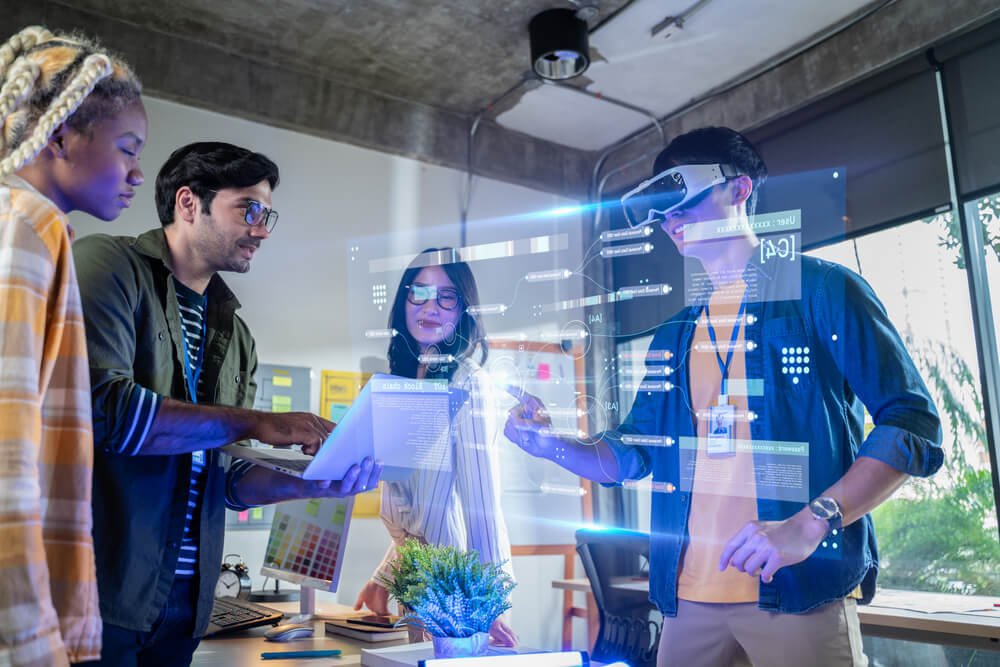
VR training in conflict resolution, handling stressful situations, and improving communication skills has the potential to revolutionize workplace interpersonal dynamics. Not only do these trainings improve participants’ interpersonal skills visibly and measurably. Increasing empathy also improves the atmosphere within teams, resulting in a healthier, less stressful working environment. Thus, the latest technology can improve the organizational culture of today’s workplaces.
Read also: VR Fire Safety Training
How does VR training improve conflict resolution skills?
VR training improves conflict resolution by placing participants in realistic, high-stress simulations where they must remain calm and use effective communication. Unlike traditional methods, VR can incorporate real-time biofeedback, like heart rate monitoring, to help users understand their physical response to tension and practice de-escalation strategies safely.
Why is VR training considered more effective than traditional methods?
Traditional training often relies on textbooks or expensive actors, which can feel uninspiring. VR is more effective because it is immersive and engaging, allowing for repeatable, “on-demand” practice. Studies show that the interactive nature of VR leads to better retention of skills and a stronger emotional connection to the learning material.
Can virtual reality help increase empathy in conflict situations?
Yes. Research, including studies on intergroup conflicts, has shown that immersive 360° videos allow participants to see a situation from the viewpoint of others. This “outgroup” perspective can fundamentally change moral judgments and significantly increase mutual understanding and empathy between conflicting parties.
How can businesses benefit from VR conflict resolution training?
Businesses can benefit by improving interpersonal dynamics and team atmosphere. VR training measurably enhances communication skills and reduces workplace stress, leading to a healthier organizational culture and more effective collaboration among employees.

Author: Rafał Siejca
Rafal has over twenty years of corporate experience, including roles at Millennium Bank, Comarch, and leading software teams at PZU, one of Europe’s largest insurance companies. As one of Poland’s few true VR experts with a decade of experience, he ensures timely, high-quality project delivery as CEO and CTO.