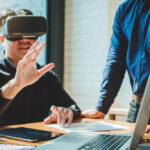
Why Does VR Engage Even “Difficult” Participants?
y addressing the specific psychological needs of different learner types and debunking common myths about VR training, enterprises can ensure that no employee is left behind.


y addressing the specific psychological needs of different learner types and debunking common myths about VR training, enterprises can ensure that no employee is left behind.

Leading enterprises are now fixing this by digital employee onboarding using VR, turning a mundane orientation into an immersive journey that builds culture, competence, and confidence from day one.
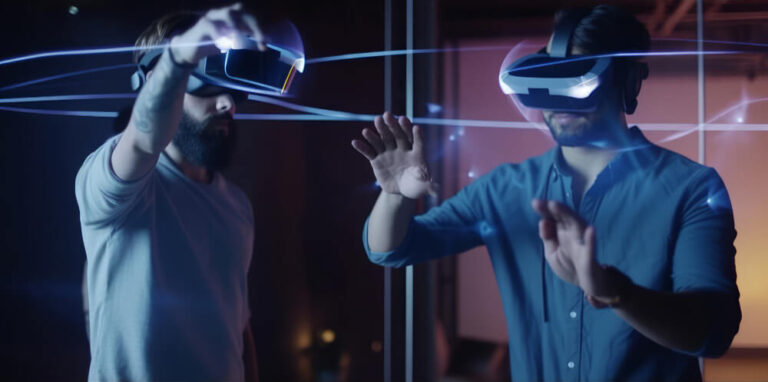
Integrating Virtual Reality into corporate training programs represents one of the most impactful investments L&D departments can make, but only when implemented strategically.

he professional services sector, encompassing consulting, financial services, law firms, and specialized agencies, is undergoing change, and Virtual Reality is emerging as a tool for developing soft skills and enhancing client management capabilities.
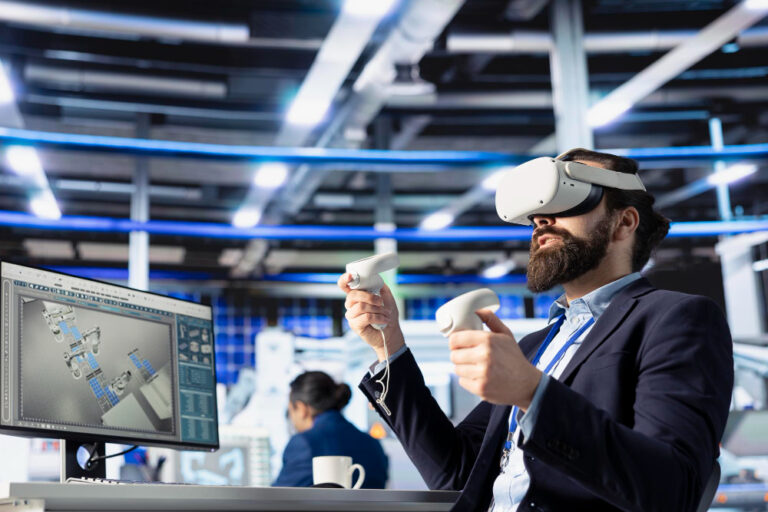
Enterprise efficiency isn’t just about optimizing processes; it’s about empowering your workforce to perform at its highest level while minimizing costs, errors, and risks.

We’re delighted to share that Mazer will be joining IT@BANK 2025 as an official partner – one of the most influential events connecting the financial and technology sectors in Poland. The conference takes place on 13 November 2025 at the Hilton Warsaw City, bringing together senior executives, innovators and IT leaders shaping the future of…

The defining strength of VR-based training is its ability to deliver immediate, data-driven feedback, empowering learners to progress faster and helping organizations prove ROI.

Continuous learning is a competitive necessity, and VR platforms like Mazer Trainer are making lifelong professional development more attainable, trackable, and engaging.
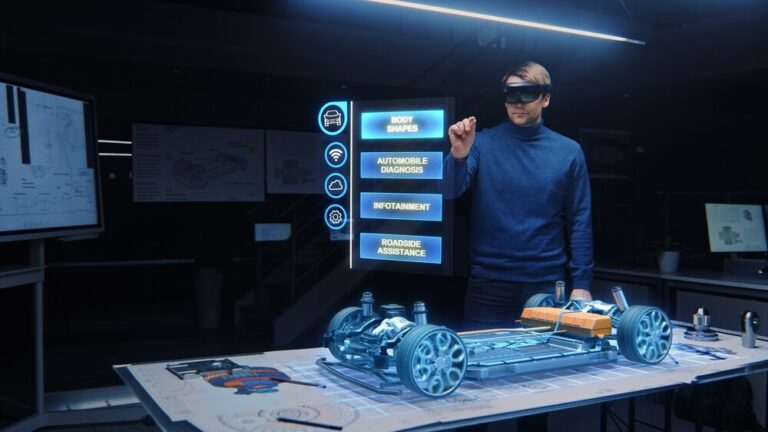
Immersive VR simulations are making training more realistic, engaging, and effective than ever. Interactive learning environments allow employees to practice new skills, make mistakes without risk, and build confidence in their abilities, all within the safe confines of virtual reality.

Virtual reality (VR) training provides immersive, experiential learning that outperforms many traditional methods.
End of content
End of content