VR as a Tool for Measuring Competencies
Virtual Reality, however, is now a high-precision diagnostic laboratory, providing objective data previously unimaginable in corporate HR.


Virtual Reality, however, is now a high-precision diagnostic laboratory, providing objective data previously unimaginable in corporate HR.

In 2026, the evolution of e-learning has shifted toward spatial computing, creating an education ecosystem that responds to learners in real time.
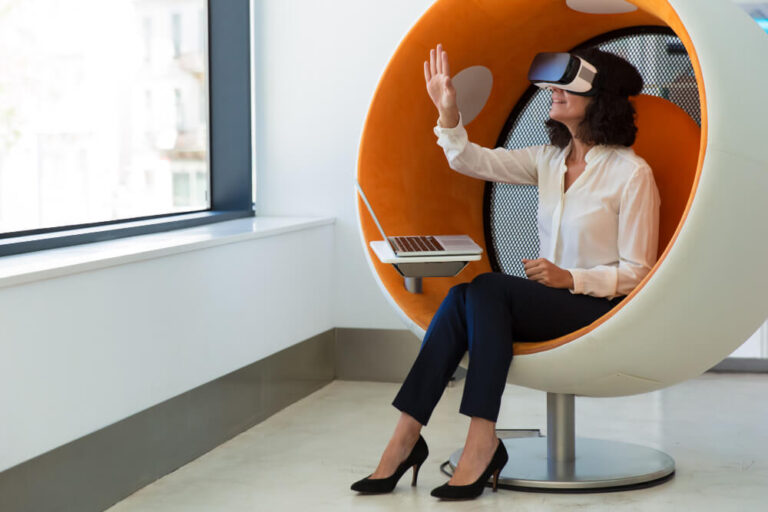
Leading enterprises are now fixing this by digital employee onboarding using VR, turning a mundane orientation into an immersive journey that builds culture, competence, and confidence from day one.
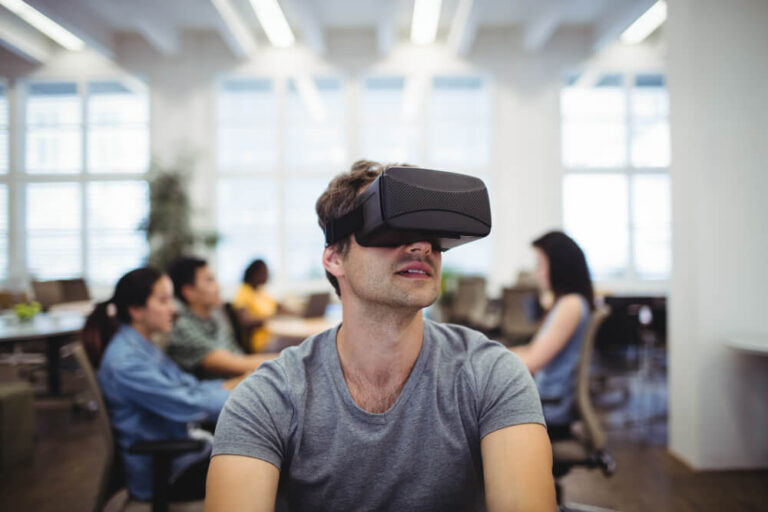
A review of the educational landscape from 2020 to 2025 shows that VR has become a staple tool for laboratories, technical training, and scientific research.
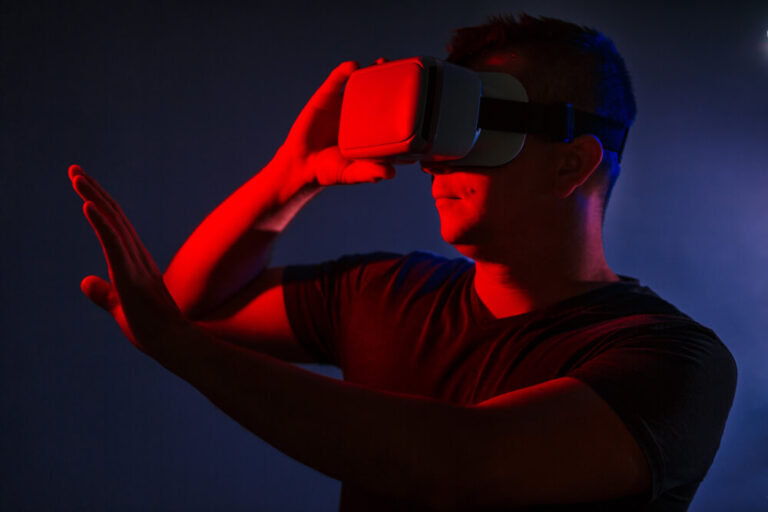
In 2025, the industry moved toward full multisensory experiences by integrating haptic gloves and feedback systems that allow users to actually feel the virtual world.
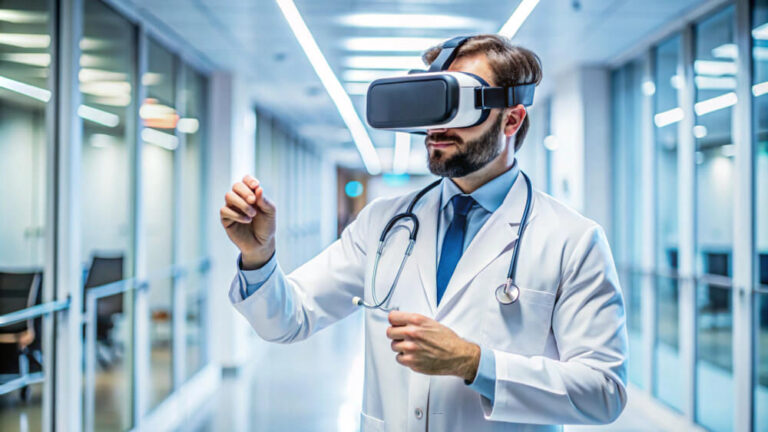
New research indicates that VR is an effective tool for training medical and nursing students in essential communication skills like empathy, negotiation, and handling difficult news.

Recent research suggests that the combination of Generative AI and Virtual Reality creates adaptive training environments that adjust to live scenarios based on each user’s specific learning style and reactions.
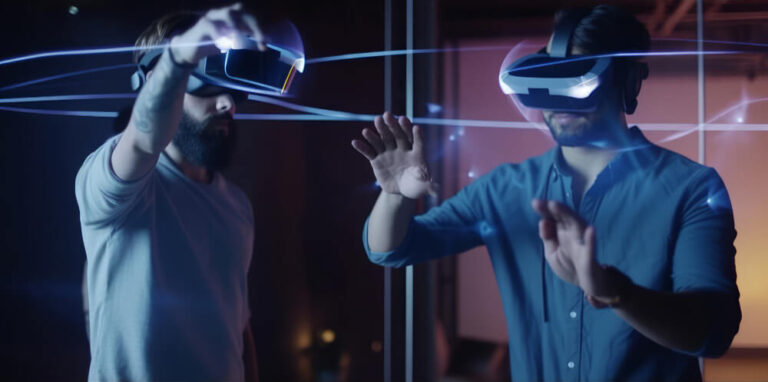
Integrating Virtual Reality into corporate training programs represents one of the most impactful investments L&D departments can make, but only when implemented strategically.

he professional services sector, encompassing consulting, financial services, law firms, and specialized agencies, is undergoing change, and Virtual Reality is emerging as a tool for developing soft skills and enhancing client management capabilities.
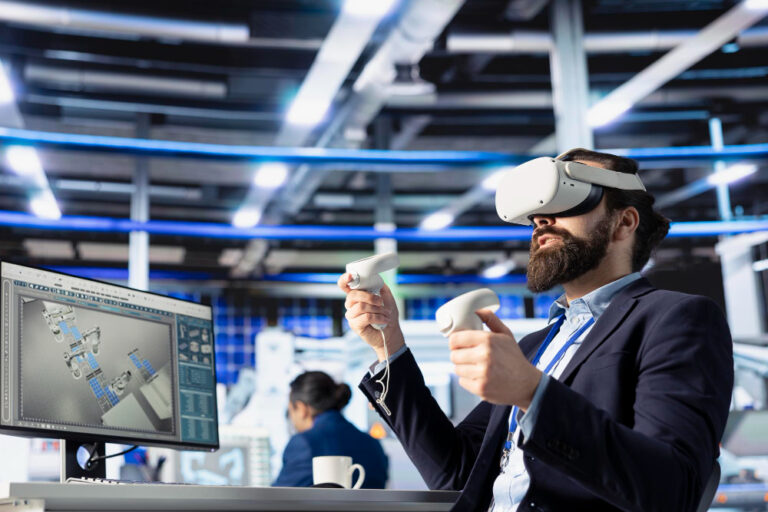
Enterprise efficiency isn’t just about optimizing processes; it’s about empowering your workforce to perform at its highest level while minimizing costs, errors, and risks.
End of content
End of content