Debunking common myths about VR training
Table of Contents:
- Cost-Effective and Scalable: VR training is no longer prohibitively expensive. Platforms like Mazer Trainer provide accessible, affordable solutions that deliver clear ROI through efficiency gains and faster onboarding.
- No-Code Implementation: You don’t need an IT team or developers to create immersive content. Intuitive, drag-and-drop interfaces empower L&D professionals to build and manage simulations without any technical expertise.
- Versatile Learning Applications: VR is not just for physical or highly specialized tasks. It is highly effective for training both hard technical skills and essential soft skills, such as leadership and conflict resolution.
- Data-Driven and Measurable: Cloud-based distribution and centralized analytics dashboards make it simple to deploy training at scale while tracking real-time participation, performance, and learning outcomes.
- Superior Business Value: Compared to traditional methods, VR training provides higher engagement, better knowledge retention, and faster skill acquisition, giving organizations a true competitive advantage.
Myth 1: “VR Training Is Too Expensive for Most Businesses”
The idea that VR training is prohibitively costly is outdated; modern, scalable platforms like Mazer Trainer make high-impact learning achievable even for mid-sized organizations. While early VR implementations required significant hardware investments, the cost of enterprise-grade headsets has decreased, and most crucially, software platforms now prioritize scalability and cost-effectiveness. Mazer Trainer’s no-code editor enables you to build, edit, and distribute training modules quickly, eliminating the need for expensive developers or lengthy timelines. Even more compelling, the ROI on VR training reveals that efficiency gains, faster onboarding, and fewer workplace incidents directly contribute to cost savings that far exceed the initial investment.Myth 2: “VR Training Is Technically Complex and Hard to Implement”
Modern VR platforms demystify the technology, offering user-friendly, no-code solutions that empower L&D teams to deliver immersive training, with no technical expertise required. Mazer Trainer’s intuitive drag-and-drop interface allows trainers to build sophisticated simulations and assessments without writing a single line of code. Instead of being dependent on scarce IT resources, L&D professionals can focus on creating content, defining learning objectives, and achieving outcomes. For organizations concerned about onboarding new technology, Mazerspace offers robust support and a dedicated client success team, ensuring a smooth and low-risk rollout. The comprehensive guide to the Mazer Trainer platform highlights how accessible the workflow truly is, even for non-technical users.Myth 3: “VR Is Only Useful for Highly Specialized or Physical Tasks”
The scope of VR training has expanded far beyond niche technical skills, now encompassing both hard and soft skills for a wide range of industries and job roles. With Mazer Trainer, companies in manufacturing, logistics, and energy can simulate dangerous or complex procedures risk-free. Similarly, Fortune 500 firms use VR to hone leadership, public speaking, and conflict resolution skills. The flexibility of the Mazerspace platform enables organizations to deliver consistent, engaging learning experiences, regardless of the topic or team size. Research on the effectiveness of VR training demonstrates measurable improvements across diverse learning objectives and skill sets.Myth 4: “Scaling and Measuring VR Training Is Impossible”
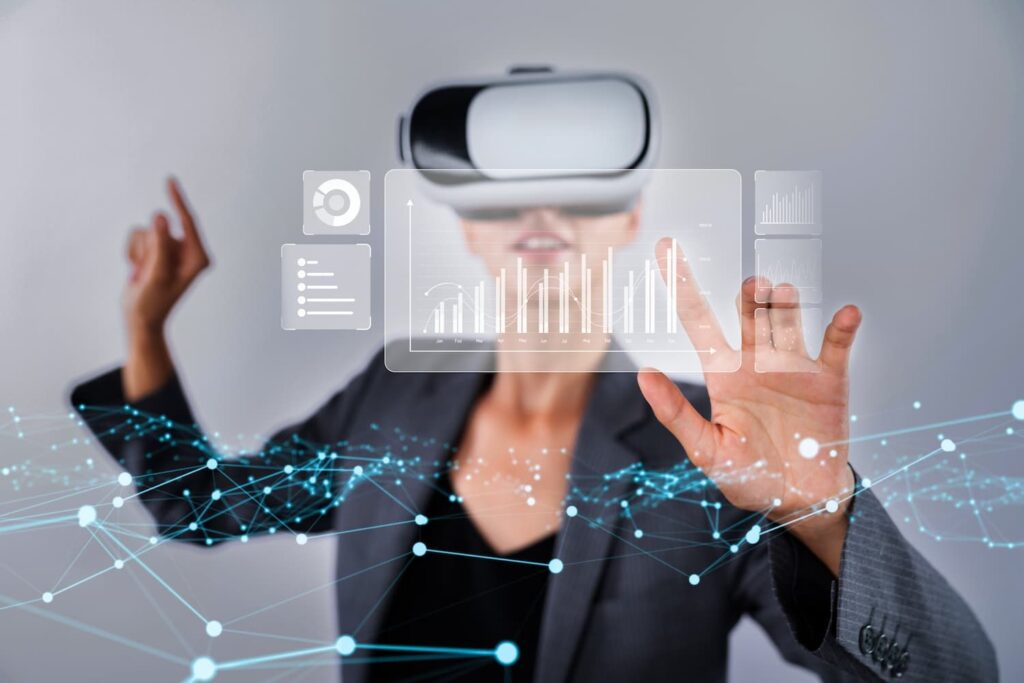
Thanks to centralized analytics and cloud-based content distribution, businesses can now easily deploy, manage, and measure their VR training programs at scale. The Mazer Trainer’s analytics dashboard provides stakeholders with real-time insights into participation, performance, and outcomes, enabling data-driven decision-making and continuous improvement. From identifying the most engaging modules to pinpointing skills gaps across a distributed workforce, the platform answers the critical question, not just “did they attend,” but “did they learn?” For those skeptical about scalability, proven strategies for scaling VR training programs demonstrate enterprise-level success. Understanding common problems and solutions provides reassurance for typical implementation hurdles.The Reality: VR Training Delivers Measurable Business Value
When comparing VR training to traditional methods, the advantages become undeniable: higher engagement, better retention, and faster skill acquisition. A direct comparison of VR training versus traditional training reveals why forward-thinking organizations are making the switch. Modern VR training, powered by Mazer Trainer, delivers proven results, measurable ROI, and unprecedented flexibility for L&D, HR, and operations teams. Ready to see how Mazerspace can transform your training? Contact us for a personalized demo.Is VR training too expensive for most businesses?
No, modern VR training platforms like Mazer Trainer are affordable and scalable, making them accessible to businesses of all sizes. The costs associated with enterprise-grade VR headsets have decreased, and Mazer Trainer’s no-code editor allows businesses to create and distribute training modules without the need for expensive developers.
Do I need technical expertise to implement VR training?
No, Mazer Trainer offers a user-friendly, no-code platform with a drag-and-drop interface that allows L&D teams to create and manage VR training modules without technical knowledge.
Is VR training only useful for specialized or physical tasks?
Not at all! VR training is now used for a wide variety of skills, both hard and soft. While it is effective for industries like manufacturing, logistics, and energy, VR training is also used for leadership development, public speaking, conflict resolution, and more.
How do I scale and measure VR training effectively?
Mazer Trainer makes scaling and measuring VR training easy through centralized analytics and cloud-based content distribution. The platform’s analytics dashboard provides real-time insights into participation, performance, and outcomes, enabling organizations to make data-driven decisions.

Author: Rafał Siejca
Rafal has over twenty years of corporate experience, including roles at Millennium Bank, Comarch, and leading software teams at PZU, one of Europe’s largest insurance companies. As one of Poland’s few true VR experts with a decade of experience, he ensures timely, high-quality project delivery as CEO and CTO.