Making VR and XR Inclusive: Key Accessibility Features
True immersion requires design that accounts for all physical and sensory differences. Explore key accessibility features that make XR inclusive for every learner.

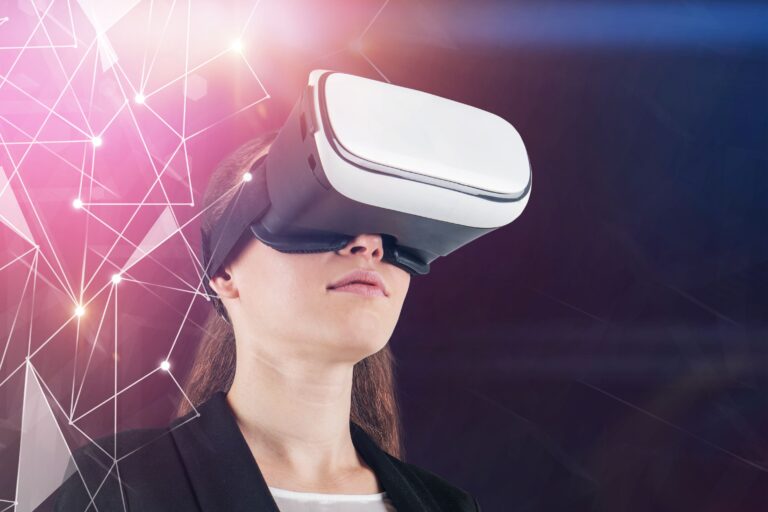
True immersion requires design that accounts for all physical and sensory differences. Explore key accessibility features that make XR inclusive for every learner.
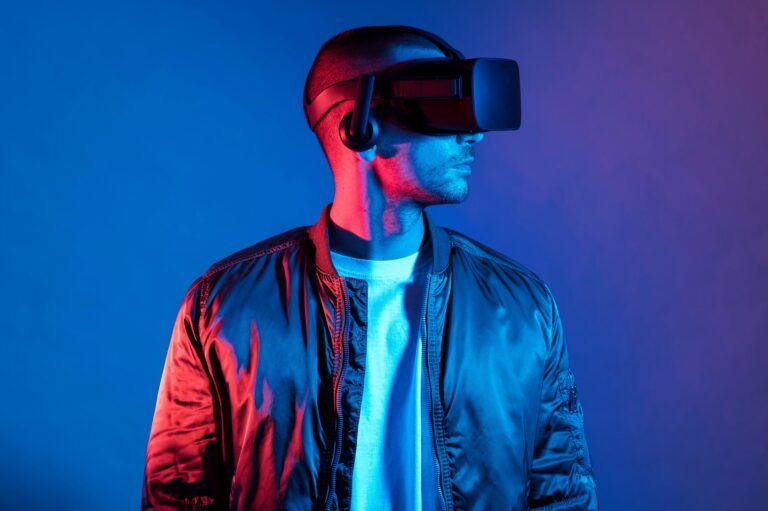
VR avatars have become the benchmark for immersive training. Lifelike AI characters push learners to practice unpredictable human interactions in a safe space.
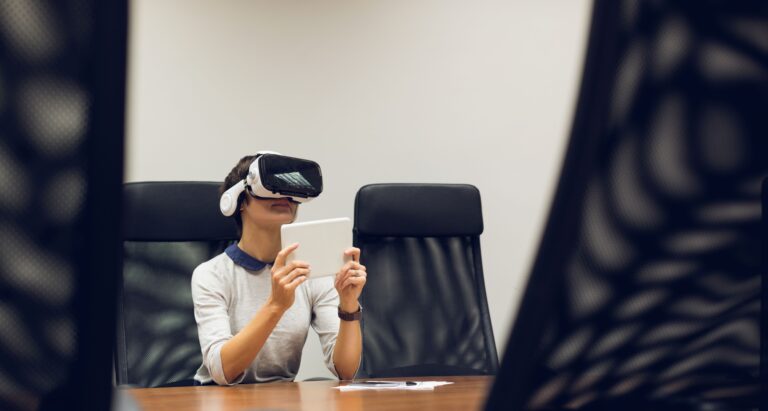
VR interview prep is now the standard for career excellence. Use Mazer to track performance data, fix nervous habits, and build confidence before the big day!
Deploying an immersive educational platform can drastically improve knowledge retention, reduce logistical costs, and accelerate the “time-to-competency” for your workforce.
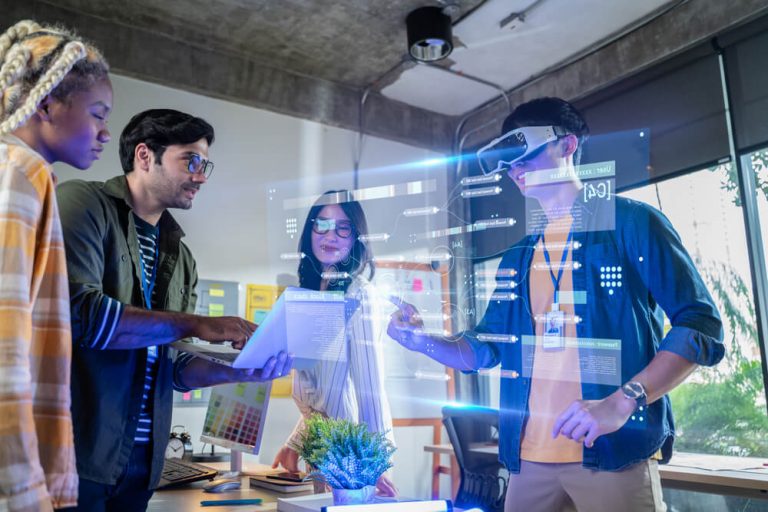
By leveraging corporate VR training solutions, you don’t have to break down your educational programs between different regional locations.
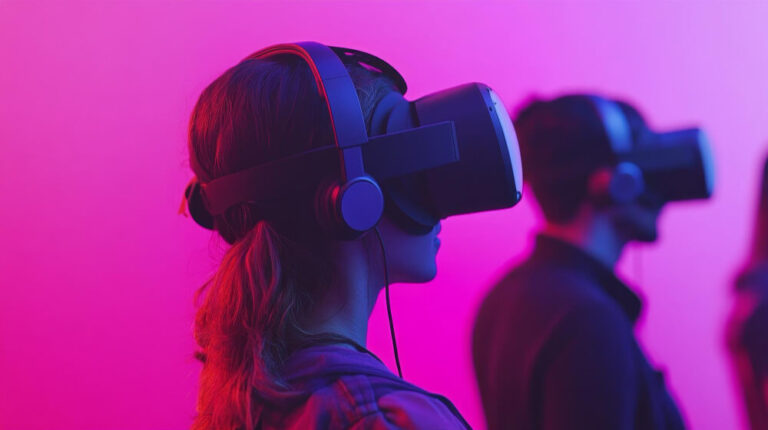
For enterprise leaders, choosing between passive and active learning directly impacts the bottom line.
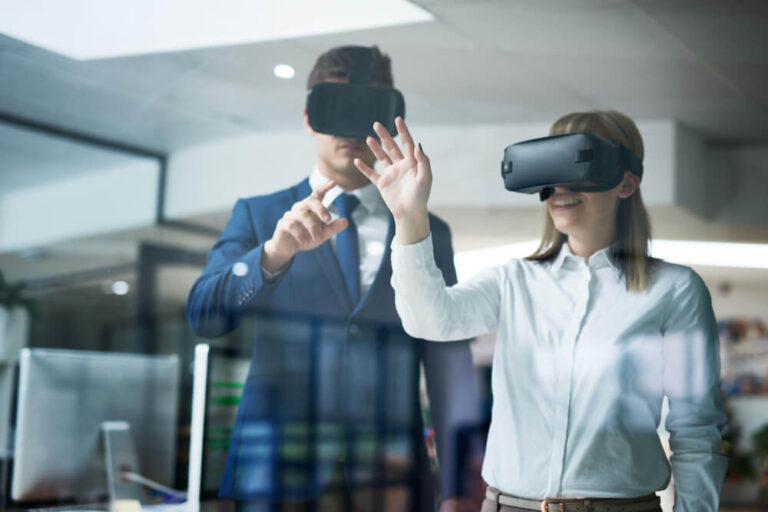
The year 2026 marks a definitive turning point in the history of corporate technology. We have officially moved past the “pilot program” era, where headsets were viewed as high-tech novelties for trade show floors or niche marketing stunts.

y addressing the specific psychological needs of different learner types and debunking common myths about VR training, enterprises can ensure that no employee is left behind.

Virtual Reality, however, is now a high-precision diagnostic laboratory, providing objective data previously unimaginable in corporate HR.

In 2026, the evolution of e-learning has shifted toward spatial computing, creating an education ecosystem that responds to learners in real time.
End of content
End of content