
Digital Transformation: How to Prepare & Train Your Employees for the Future of Work
Table of Contents:
Considering the influx of news surrounding groundbreaking technology recently, preparing employees for future workplaces will be key. The buzz around topics like artificial intelligence and automation signifies that working environments will keep changing at a rapid pace, placing a demand upon the workforce to adapt and thrive. While these technologies offer incredible opportunities, they also require obtaining new skills, necessitating an intertwined relationship between digital transformation and employee training.
Key Points:
- Navigating the AI and Automation Era: As artificial intelligence and automation fundamentally reshape how organizations operate, digital transformation and employee training must become deeply intertwined.
- Addressing Demographic Shifts: With an aging workforce, reskilling older employees is no longer optional. It is a critical strategy to close skill gaps, prevent experienced workers from feeling left behind, and keep companies thriving.
- Multi-Faceted Training Approaches: Future-proofing competencies requires a versatile strategy. This includes personalized learning paces, cross-functional education, and immersive, interactive VR training experiences that adapt to technological advancements.
- Boosting Morale and HR Retention: Investing in new technologies and upskilling sends a strong signal that a company values agility and employee growth. This builds workforce confidence, enhances job security, and serves as a powerful HR strategy to attract and retain talent.
- Proactive Organizational Resilience: Continuous upskilling empowers employees to master emerging tools, which dramatically increases productivity and workflow efficiency. It ensures the business remains proactive and resilient against disruptive market changes.
The Impact of Digital Transformation on Workspaces
In the past, digital transformation has fundamentally reshaped how organizations operate, communicate, and deliver value. With the looming second coming of a technological revolution, courtesy of artificial intelligence, automation, and an increasing reliance on cloud-based solutions, forward-thinking companies are positioned to take advantage of the coming age of change.
Future-Proofing Competences: Preparing Employees for Future Workplaces
Preparing employees for future workplaces requires a multi-faceted approach, especially in the face of an aging workforce and a demographic shift. One aspect of this will require reskilling older employees to keep economies alive and companies thriving.
Given that corporate training strategies for demographic challenges are critical, incorporating multiple effective solutions for digital transformation employee training is a necessary step. Companies should consider the following:
- Personalized learning solutions that allow employees to develop skills at their own pace.
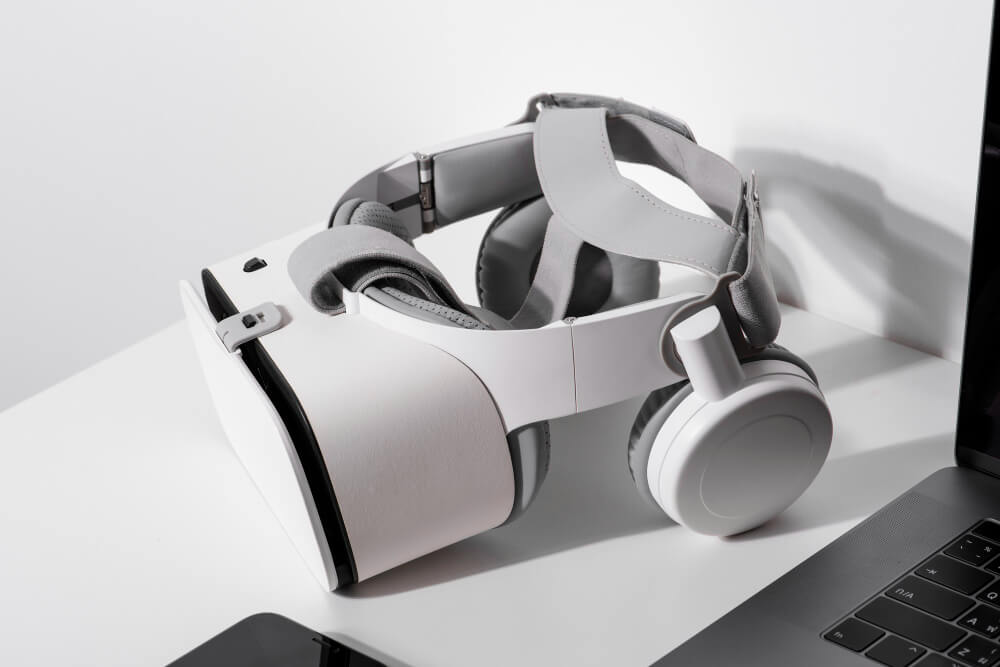
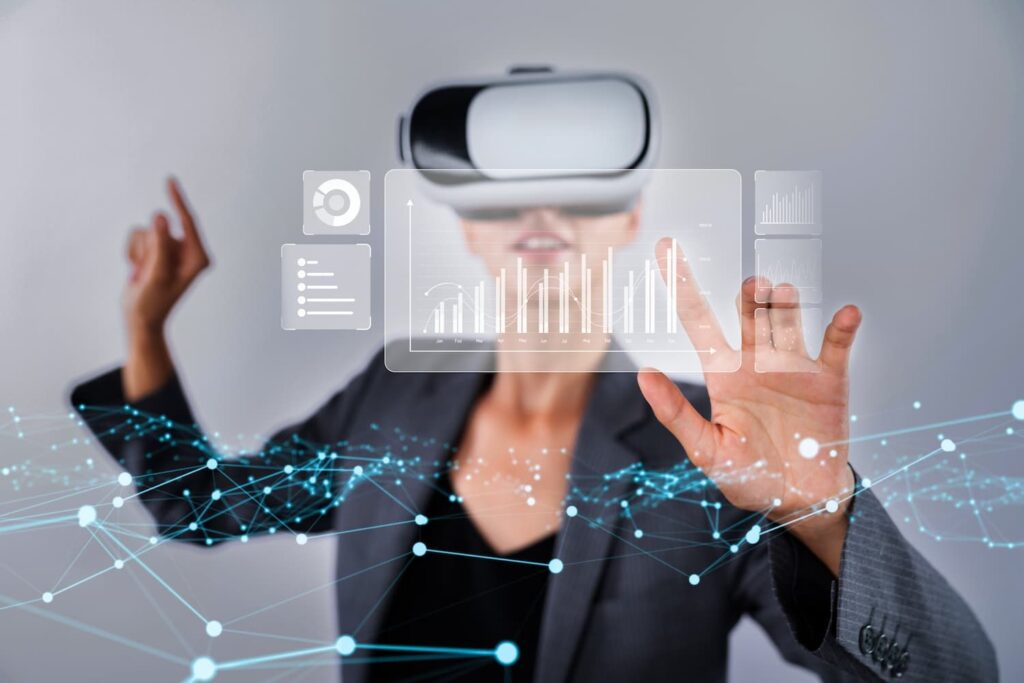
- Immersive training experiences using interactive technologies, like VR training.
- Regular reskilling and upskilling opportunities that keep pace with technological advancements.
- Cross-functional training that encourages versatility and interdepartmental understanding.
Ultimately, the goal is to create a workforce that’s adaptive and views technological advancement as an opportunity, not a threat or obstacle.
The Benefits of Training the Workforce for Tomorrow
While preparing employees for future workplaces and embracing digital transformation already comes with a slew of benefits, equipping them with new skills is far from the only one. This approach has the potential to create a ripple effect throughout the whole organization, boosting morale and productivity.
For example, embracing new technologies sends a strong signal that the company will emphasize agility and adaptability. Innovative training programs help employees become more flexible and confident in navigating technological changes and leveraging them to secure a stronger position on the market. Not only that, but well-trained employees tend to feel more secure about their future, which boosts the company’s reputation. In a way, you could argue that this approach and an openness to utilizing new tech could be an effective HR strategy, too.
Of course, with more skills come increases in productivity and efficiency. Reining in emerging technologies means employees perform their tasks faster and better, leading to smoother workflows overall.
Closing skill gaps ensures that employees remain proficient in the latest tools and practices. As highlighted before, this is particularly important for older employees who can often feel left behind and assume their value is diminishing, therefore putting their usefulness—and livelihoods—at risk. However, addressing these gaps empowers those employees to achieve a completely opposite effect.
Lastly, by continuously upskilling employees, organizations can prepare for upcoming changes much more effectively. This proactive approach ensures that businesses remain resilient to any potentially disruptive changes.
The Takeaway
Digital transformation and employee training should go hand in hand. If you’d like your organization to remain positioned at the forefront, implementing state-of-the-art technology is paramount. Contact us at Mazer Trainer today to learn more about our cutting-edge VR learning solutions designed to engage your workforce, enhance knowledge retention, and prepare your employees for the future of work. Let us help you build a more agile, skilled, and future-ready team.
You may also read: The Future of Training: VR and AI with Mazer Trainer
Why is digital transformation closely tied to employee training?
As AI and automation rapidly reshape the workplace, employees must continually acquire new skills to adapt. Digital transformation can only be successful if the workforce is adequately trained to leverage these new technologies effectively.
How can companies prepare an aging workforce for future technologies?
Companies must implement targeted reskilling and upskilling programs specifically designed for older employees. This prevents them from feeling left behind, closes critical skill gaps, and leverages their deep industry experience while adapting to new tools.
What are the most effective strategies for future-proofing employee skills?
A successful multi-faceted approach should include personalized learning solutions, cross-functional training to encourage interdepartmental versatility, continuous reskilling opportunities, and immersive experiences like VR training.
How does preparing employees for the future impact company culture?
Investing in advanced training programs boosts morale and builds confidence. It sends a strong signal that the company prioritizes agility and employee growth, making workers feel secure about their futures and enhancing the company’s reputation as a great place to work.
What is the direct business benefit of continuous upskilling?
Continuous upskilling ensures that employees remain proficient in the latest tools, which directly increases workflow efficiency and productivity. It also creates a proactive workforce, ensuring the business remains resilient to disruptive technological changes.

Author: Rafał Siejca
Rafal has over twenty years of corporate experience, including roles at Millennium Bank, Comarch, and leading software teams at PZU, one of Europe’s largest insurance companies. As one of Poland’s few true VR experts with a decade of experience, he ensures timely, high-quality project delivery as CEO and CTO.