
VR: multisensory experiences in 2025
Table of Contents:
Key Points
- The integration of haptic feedback in virtual reality (VR) is essential for creating realistic multisensory experiences, enhancing training effectiveness in various fields.
- Advances in VR technology in 2025 have significantly improved graphical fidelity and realism, allowing for immersive environments that closely mimic real-world scenarios.
- The future of VR training is focused on deeper physical connections and affordability, which will enhance safety and efficiency in industries.
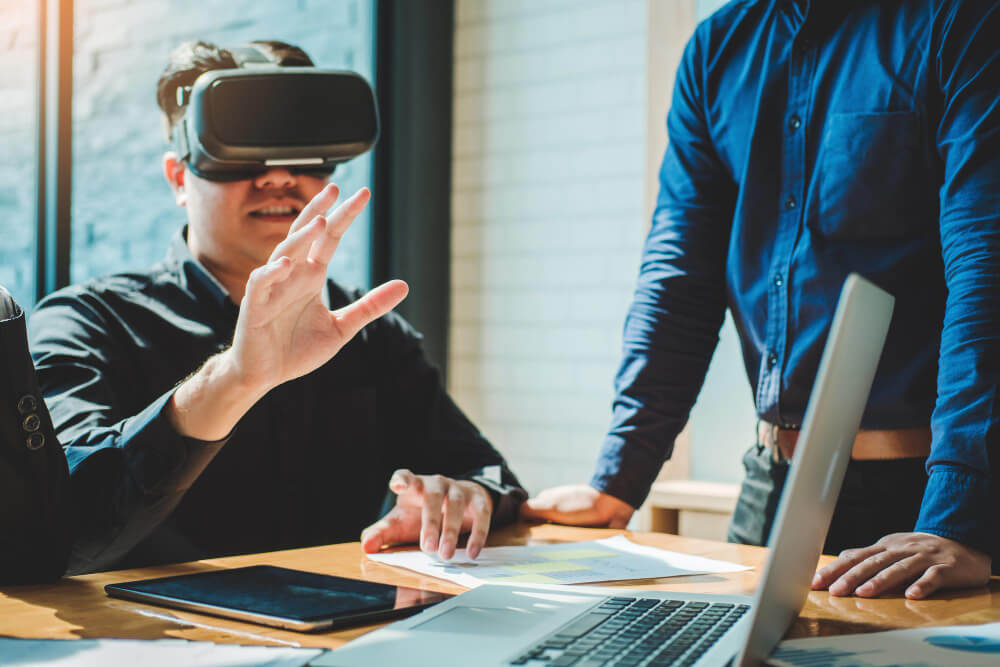
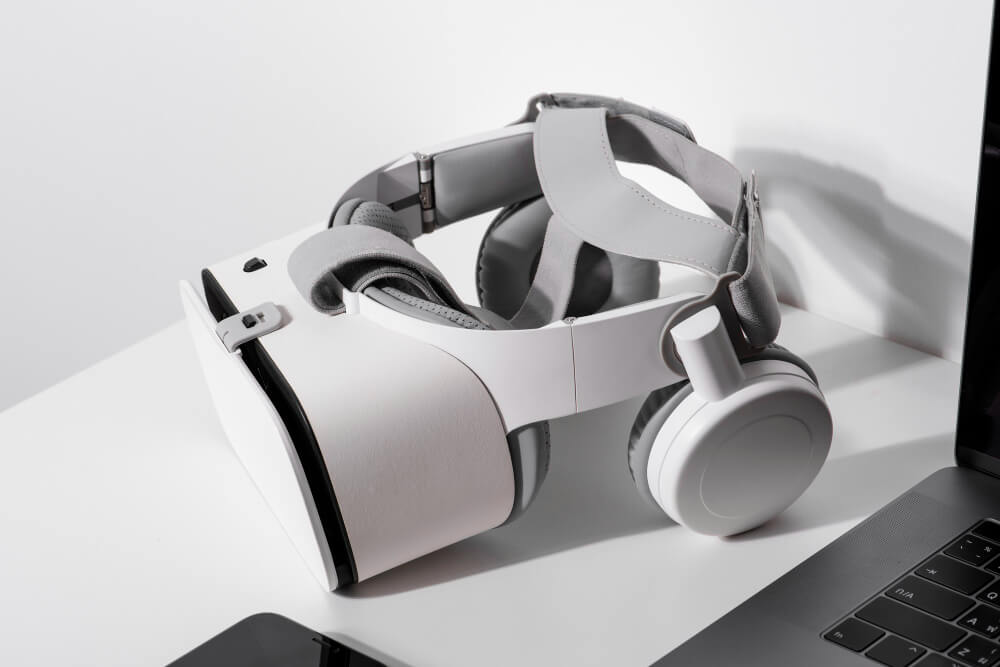
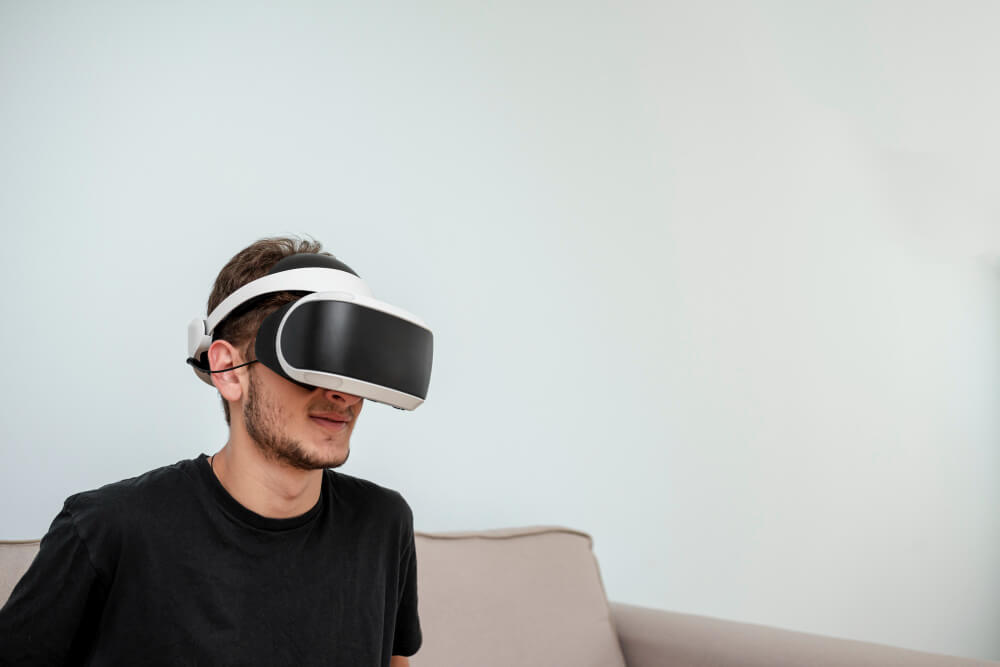
The standard for immersion in virtual reality has changed significantly over the last year as users demand more realism. In 2025, the industry moved toward full multisensory experiences by integrating haptic gloves and feedback systems that allow users to actually feel the virtual world. It is no longer enough just to see and hear a digital environment while floating in space. Modern users expect a physical sensation that matches the visual data, creating a much deeper sense of presence and realism for professional, industrial, and medical applications. This tactile dimension adds a layer of truth to the simulation that was previously missing from even the most advanced systems.
The Importance of Haptic Feedback
Touch is a fundamental part of how humans learn and interact with their surroundings from the moment they are born. Current VR training trends show that adding haptic feedback is essential for developing the muscle memory required for technical and manual tasks. For an electrician or a mechanic, the ability to feel resistance or texture in a simulation makes the training far more effective and memorable. This physical connection bridges the gap between a digital exercise and the real-world labor required in the field. When a trainee can feel the difference between a loose and a tight bolt, they are much better prepared for the physical reality of their job.
Advancing Realism in 2025
Looking back at the innovations of the past year, it is clear that physical feedback was the dominant theme for enterprise and high-end consumer solutions. Our review of XR trends for 2025 highlights how these multisensory tools are being used to improve the accuracy of industrial and medical simulations. When the brain receives signals from both the eyes and the hands simultaneously, it accepts the simulation as a real experience rather than a movie. This leads to higher retention rates and a much faster transition from training to active duty for workers in hazardous environments. This realism reduces the “training shock” that often occurs when moving from a classroom to a real industrial floor.
Building Effective Immersive Content
High-quality VR content must do more than just look good on a screen; it must engage the user’s body. By creating effective VR training experiences, companies can use Mazer Trainer to build sessions that engage all of their employees’ senses. When a trainee can feel the weight of a virtual tool or the texture of a surface, they are much more likely to remember the correct way to use it under pressure. This visceral level of engagement is what separates modern VR from older and less effective training methods that relied solely on visual information. By engaging the sense of touch, we tap into deeper cognitive processes that improve long-term recall.
Hyper-Realistic Virtual Worlds
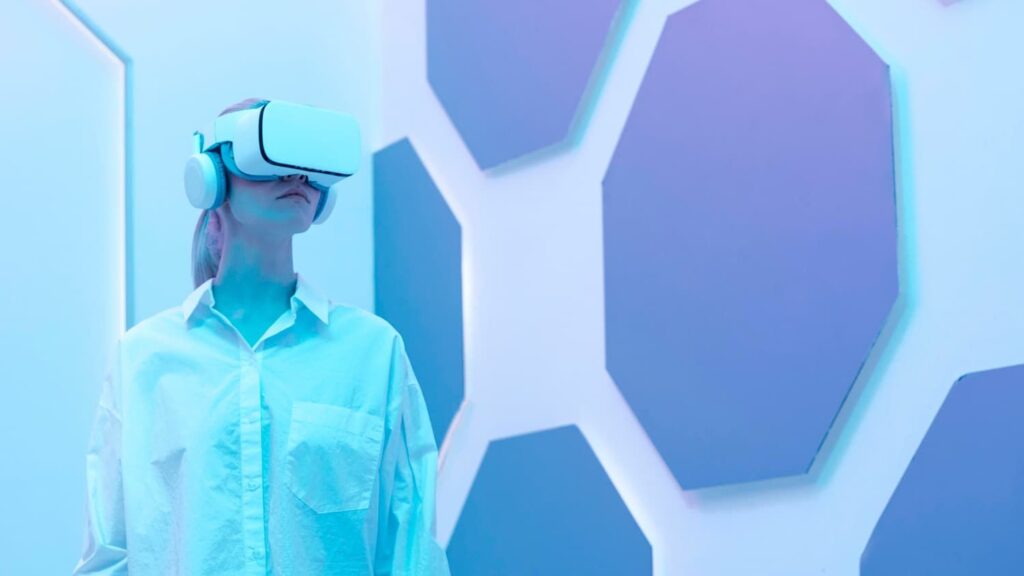
The graphical fidelity achieved in 2025 has nearly closed the gap between the virtual and the physical for the average user. Slippery textures, realistic lighting, and precise motion now produce virtual environments that almost match reality for users. These worlds become truly authentic when combined with full-body tracking systems that perfectly represent a user’s movements in the digital mirror. The realistic nature of these simulations is essential for educational purposes, where precision and spatial awareness are absolute requirements. This progress enables the creation of digital twins of entire factories, allowing workers to practice without stopping production for a single minute.
Preparing for 2026
The progress we saw in 2025 is only the beginning of what is possible for immersive platforms as hardware costs decrease. The team at Mazer is already looking ahead to 2026 to explore how we can further integrate these multisensory tools into our no-code platform. We believe that the future of training lies in these deeper physical connections that go beyond the headset. As hardware continues to improve and become more affordable for the average business, the line between the virtual and the physical will continue to disappear. Companies that invest in these multisensory capabilities today will lead their industries in safety and efficiency tomorrow.
Step into a more realistic virtual world. Learn more about our XR Services and how multisensory VR can benefit your organization.
What is the main focus of VR advancements in 2025?
How does haptic feedback improve training for technical tasks?
What benefits do multisensory tools provide in industrial and medical simulations?
What is the future outlook for immersive VR platforms beyond 2025?

Author: Rafał Siejca
Rafal has over twenty years of corporate experience, including roles at Millennium Bank, Comarch, and leading software teams at PZU, one of Europe’s largest insurance companies. As one of Poland’s few true VR experts with a decade of experience, he ensures timely, high-quality project delivery as CEO and CTO.