Why VR Training Matters: Key Insights and Advantages
Table of Contents:
Why use virtual reality for training? Simply put, the number of niche (but nonetheless important) use cases is immense. The variety of key skills you can cultivate means over time, your employees will end up leaving the competition in the dust. Sure, building such an advantage from the ground up requires time, an upfront investment and comes with a bit of a learning curve. But in this article, we’ll try to convince you that this potential can make an enormous difference.
Key Points:
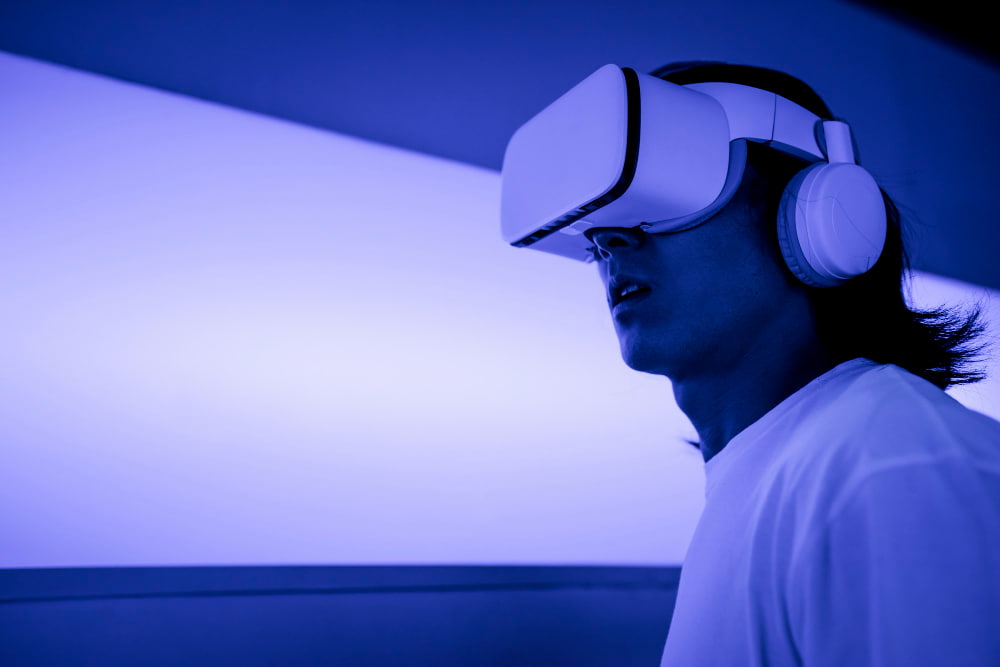
Let’s set a ground definition first before analyzing the topic in-depth. VR training involves implementing a virtual reality system to enhance your company’s learning and development department. Using life-like simulations, your employees can develop critical skills that would normally be quite tricky to gain experience in. That’s a great question. As of right now, the technology is still certainly considered unorthodox, with plenty of skepticism surrounding its overall value. Let’s analyze some key factors that let you build up an advantage by using VR. As mentioned previously, some skills are more difficult to acquire than others. That doesn’t mean they’re not worth acquiring, however—quite the opposite. It’s precisely these rarely-practiced skills that can elevate the value of each individual employee and help you outsmart the competition. VR training doesn’t just improve what you train, it affects how you train. Immersive experiences like these have been shown to boost knowledge retention quite significantly when compared to more conventional methods of training. On top of that, the tempo at which employees can gain these skills goes up as well. Since there’s no expert to pay and no training material to prepare ahead of time other than the program itself, employees can repeat the training as often as they like. This greatly accelerates the learning curve and makes the process much quicker. To maximize the value of VR training systems, these applications often have built-in performance tracking capabilities. This lets you measure employee effectiveness over time and draw conclusions based on factual data to keep the learning programs—and by extension, your company—steadily moving forward. The benefits of implementing VR we outlined above should hopefully convince you why using virtual reality for training is worth it. Coupled with a structured implementation approach, you can achieve truly incredible results, provided you choose the right supplier. If you’re ready to take your training efforts to the next level, contact us at Mazer Space. We provide professionals across various industries with cutting-edge learning tools that bridge the gap between VR and real life. VR training involves using virtual reality technology to enhance a company’s learning and development efforts. It utilizes lifelike simulations to help employees safely practice and develop critical skills that would normally be tricky or dangerous to acquire in real life. VR allows professionals in high-risk sectors, such as healthcare, manufacturing, or emergency services, to prepare for unpredictable or dangerous situations in a completely risk-free virtual environment, ensuring they don’t fumble during critical moments. Yes, VR is an excellent tool for reskilling the “Silver Generation.” It helps remove technological barriers and provides an intuitive learning space, setting an anti-ageism precedent while leveraging their vast industry experience. Because VR modules are software-based, employees can repeat the training as often as they like without the need to pay for live instructors or prepare fresh physical materials. This repetition and immediate immersion greatly accelerate skill acquisition. Most advanced VR training systems feature built-in performance tracking. This allows organizations to gather data-driven insights, measure employee effectiveness over time, and make informed adjustments to their training programs. Author: Rafał Siejca Rafal has over twenty years of corporate experience, including roles at Millennium Bank, Comarch, and leading software teams at PZU, one of Europe’s largest insurance companies.
As one of Poland’s few true VR experts with a decade of experience, he ensures timely, high-quality project delivery as CEO and CTO.
What Is VR Training?
What Do I Stand to Gain with VR Training?
Expanded Workforce Development
Improved Knowledge Retention & Faster Skill Acquisition
Data-Driven Insights
Why Use Virtual Reality for Training? The Takeaway
What is VR training?
How does VR training help with unusual or hazardous scenarios?
Can VR training be used for older generations of employees?
Why does VR training speed up the learning process?
How can companies track the effectiveness of VR training?