Generative AI + VR – a new dimension for education
Table of Contents:
Key Points
- The integration of Generative AI and Virtual Reality is transforming education by creating adaptive training environments tailored to individual learning styles.
- Traditional training methods are being replaced by dynamic simulations that provide real-time feedback and customization based on user performance.
- No-code platforms like Mazer Trainer enable subject-matter experts to create personalized VR courses, democratizing content creation and enhancing educational value.
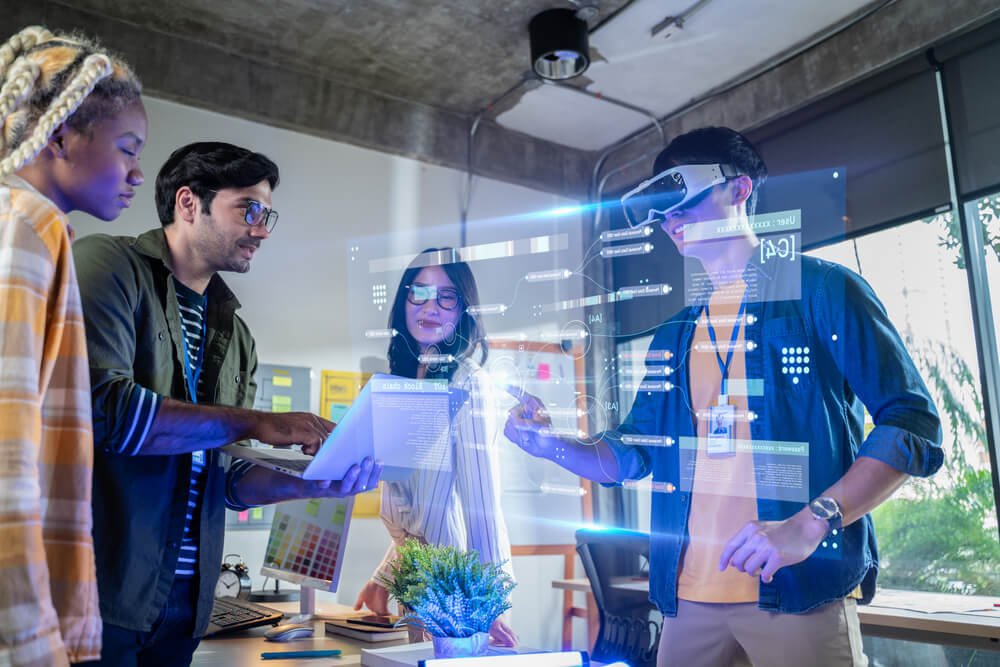
The landscape of modern instruction is changing as artificial intelligence merges with immersive technology to create more responsive learning environments. Recent research suggests that the combination of Generative AI and Virtual Reality creates adaptive training environments that adjust to live scenarios based on each user’s specific learning style and reactions. For Mazer, this represents a significant shift from static modules toward dynamic, intelligent sessions that fit the needs of every individual. This technology ensures that education is no longer a fixed path but a flexible process that grows alongside the student. By moving away from rigid, pre-programmed steps, we allow for a more natural flow of information that mimics real-world problem-solving.
Moving Beyond Static Training
Traditional digital training tools often fail because they treat every student the same, regardless of their background or learning speed. By applying the 5 ways to use generative AI for immersive learning, educators can now build simulations that evaluate user performance in real time to modify the difficulty or context of a task. If a student shows hesitation or makes a specific error, the AI can adjust the virtual environment to provide immediate, relevant support. This creates a continuous feedback loop that keeps learners engaged without causing the frustration of repetitive tasks. This level of customization ensures that advanced learners are challenged while struggling students receive the scaffolding they need to succeed.
The Power of Intelligent Feedback
The value of a training session depends on the quality and timing of the feedback provided during the simulation. The true strength of the intersection of VR and AI lies in virtual characters’ ability to engage in unscripted, natural conversations with students. These AI-driven entities do not just follow a rigid script; instead, they react to the user’s tone, vocabulary, and decision-making process. This enables sophisticated problem-solving and interpersonal skills training that traditional computer-based training cannot provide. The unpredictability of these interactions prepares students for the complexities of human communication in professional settings.
Accessibility Through No-Code Platforms
Technical barriers have often prevented schools and companies from adopting high-end VR solutions due to the high cost of development. Mazer Trainer removes these obstacles by offering a no-code platform that lets anyone create intelligent and personalized VR courses without a background in software development. This allows subject-matter experts, rather than just programmers, to take direct control of their digital curriculum. When the people who know the material best build the simulations, the resulting educational value is significantly higher for the end user. This democratization of content creation means that highly specialized training can be updated and deployed within days.
Personalized Assessment and Grading
AI does more than just help with instruction; it also transforms how we measure success and technical proficiency. Using advanced language models in a VR setting enables automated grading of complex long-answer responses and technical documentation submitted by the learner. This ensures that students receive objective, real-time evaluations of their work based on a wide range of criteria. Rather than waiting days for a teacher to review a session, a student can see their results immediately and understand precisely where they need to improve. This instant gratification is a powerful motivator, encouraging students to repeat sessions until they reach mastery.
Preparing for a Smart Future
As we move further into the decade, the presence of AI in spatial computing will become a standard expectation for all levels of education. Understanding the future of training VR and AI with Mazer Trainer is a requirement for any institution that wants to remain competitive in the global market. Moving from passive observation to active and AI-guided participation ensures that students actually retain what they learn. This transition is setting a new standard for how we transfer knowledge in the professional world, where the ability to adapt is just as important as the knowledge itself. By embracing these tools now, educational leaders can ensure their graduates are prepared for a workplace that is increasingly driven by automated intelligence and immersive collaboration.
Ready to revolutionize your curriculum? Explore our solutions for Education Professionals and build your first adaptive VR session today.
What is the main benefit of combining Generative AI with Virtual Reality in education?
How does the use of AI improve feedback during training sessions?
What challenges does Mazer Trainer address in the adoption of VR solutions?
How does AI impact the assessment and grading of students in VR settings?

Author: Rafał Siejca
Rafal has over twenty years of corporate experience, including roles at Millennium Bank, Comarch, and leading software teams at PZU, one of Europe’s largest insurance companies. As one of Poland’s few true VR experts with a decade of experience, he ensures timely, high-quality project delivery as CEO and CTO.