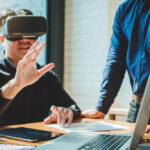

Why Does VR Engage Even “Difficult” Participants?
Table of Contents:
Key Points
- VR training effectively engages difficult participants by eliminating distractions and creating immersive learning environments.
- The concept of “Safe Failure” in VR allows participants to practice skills without fear of judgment, fostering genuine curiosity and learning.
- Gamification in VR training enhances engagement and knowledge retention by triggering the brain’s reward systems.
In every corporate training session, L&D professionals encounter the “difficult” participant. This isn’t necessarily a “bad” employee, but rather someone who presents a barrier to traditional learning. We see the skeptic who questions every new protocol, the manager who is tethered to their smartphone notifications, and the kinesthetic, restless learner who physically cannot absorb information while sitting in a conference room chair for eight hours. For years, these individuals have been the “blind spot” in corporate education, often resulting in wasted budgets and poor training ROI.
However, 2026 has the ultimate tool for turning these reluctant trainees into high performers. The secret lies not just in the “cool factor” of the technology, but in the profound neurological shifts that occur when a human enters an immersive environment.
The Neuroscience of Total Immersion and Presence
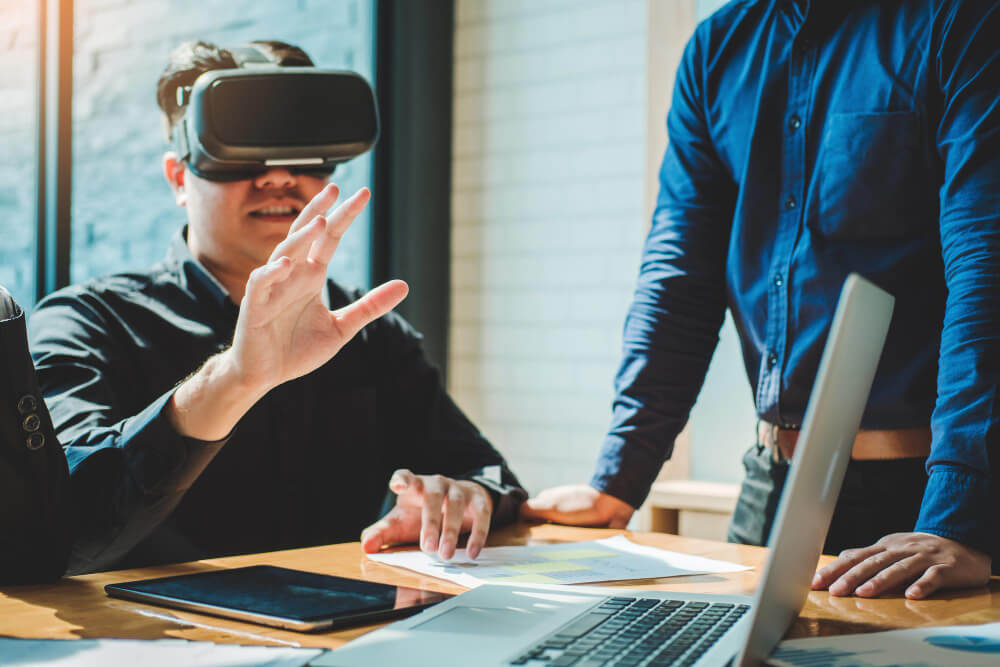
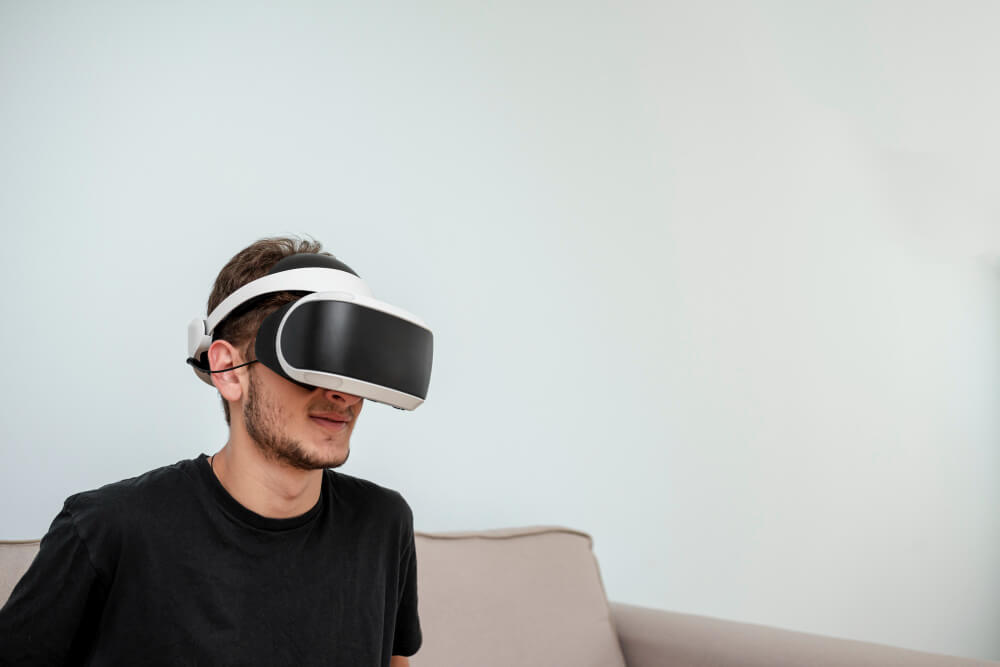
The primary reason VR works where traditional methods fail is the concept of Presence. In a standard classroom or e-learning environment, the trainee’s brain is constantly battling external stimuli. The ping of a Slack message, the conversation in the hallway, or even a wandering thought about a weekend plan can derail the learning process. VR physically mutes these distractions. When a participant puts on a headset, they are not just looking at a screen; they are transported to a different reality.
Scientific research consistently shows that VR and AR can eliminate distractions in education by providing a 360-degree field of view that demands full cognitive attention. This is a biological response, not a choice. When the brain is presented with VR multisensory experiences, the prefrontal cortex, the brain region responsible for focus, is fully engaged in processing the virtual environment. This leaves no “processing power” for the distractions that usually plague difficult participants. For the distracted manager, the phone literally disappears, replaced by a mission-critical simulation.
Empowering the Skeptic Through “Safe Failure”
Many “difficult” participants resist training out of a hidden fear of looking incompetent in front of their peers. This is particularly true for senior staff or “Professional Skeptics.” In a traditional role-play scenario, a manager might be hesitant to try a new conflict resolution tactic because they fear social judgment or “losing face.” VR offers a private, judgment-free laboratory.
In a virtual environment, a participant can handle a high-stakes customer complaint or a dangerous industrial accident and fail spectacularly without real-world consequences or embarrassment. This psychological safety is why VR workplace training for Gen Z and older skeptics alike is so effective; it allows for the “trial and error” that deep learning requires. Once a skeptic sees the immediate impact of their decisions in a realistic simulation, their resistance often turns into genuine curiosity. They are no longer being “told” what to do; they are “discovering” it for themselves.
Gamification and the “Flow” State
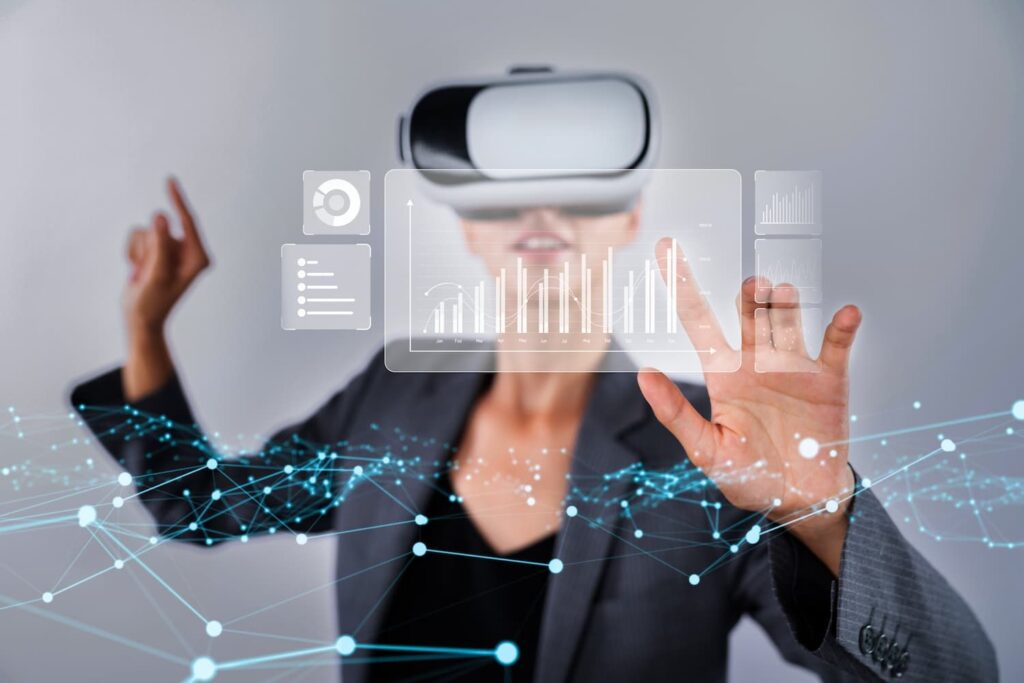
Modern VR platforms like Mazer Trainer use VR gamification to trigger the brain’s dopamine-based reward systems. High-quality simulations provide immediate feedback, scoreboards, and progressive difficulty levels. This environment fosters a state of “Flow”, the psychological zone where a person is so engaged in a task that they lose track of time and ego. Even the most reluctant employee often finds themselves “playing” the training, which leads to higher knowledge retention rates.
By addressing the specific psychological needs of different learner types and debunking common myths about VR training, enterprises can ensure that no employee is left behind. When a participant is fully immersed, the “difficulty” of training them simply evaporates.
What is the primary reason VR works better than traditional training methods?
How does VR training provide psychological safety for participants?
What role does gamification play in VR training?
How can VR training address the needs of different learner types?

Author: Rafał Siejca
Rafal has over twenty years of corporate experience, including roles at Millennium Bank, Comarch, and leading software teams at PZU, one of Europe’s largest insurance companies. As one of Poland’s few true VR experts with a decade of experience, he ensures timely, high-quality project delivery as CEO and CTO.